Category: French

French dinner recipes are known for rich flavor, classic cooking techniques, and comforting ingredients. This category features traditional French-inspired meals including slow-cooked stews, seafood dishes, roast chicken, and elegant comfort food favorites.

From rustic countryside dishes like Coq au Vin and Lamb Navarin to coastal classics such as Bouillabaisse and Moules Marinières, these recipes focus on balanced flavor and timeless preparation methods. Many recipes use fresh herbs, wine-based sauces, and slow cooking to create depth and richness.

Whether you are preparing a casual family meal or a special dinner, these French recipes bring classic European flavors into your home kitchen with approachable instructions and reliable results.

  • Cassoulet Recipe

    Cassoulet Recipe

    Cassoulet recipe is a rich and hearty French stew made with white beans, duck, pork, and sausage. This cassoulet recipe delivers deep, slow-cooked flavor and is perfect for comforting meals, especially during colder months.

    This cassoulet recipe focuses on layering simple ingredients and allowing time to develop flavor. The combination of tender beans and savory meats creates a balanced, satisfying dish that improves as it rests.

    This dish is a classic example of French cuisine, known for its slow cooking and rich textures.


    Table of Contents

    • Ingredients
    • How to Make Cassoulet Recipe
    • Pro Tips for Best Results
    • Serving Suggestions for Cassoulet
    • Nutritional Information
    • Frequently Asked Questions


    Why This Cassoulet Recipe Works

    This cassoulet recipe is designed to create a deep, comforting flavor.

    • Slow cooking builds complexity
    • Beans create a creamy base
    • Multiple meats add richness
    • Baking develops texture


    Ingredients

    For the Beans

    • 2 cups dried white beans (soaked overnight)
    • 4 cups water
    • 1 bay leaf
    • 2 cloves garlic

    For the Meat

    • 2 duck legs or chicken thighs
    • 200 g pork shoulder (chunks)
    • 2–3 sausages
    • Salt and pepper to taste

    For the Base

    • 2 tablespoons duck fat or olive oil
    • 1 onion (chopped)
    • 3 cloves garlic (minced)
    • 2 carrots (chopped)
    • 2 tablespoons tomato paste
    • 1 cup chicken stock
    • 1 teaspoon thyme
    • 1 bay leaf

    Optional Topping

    • Breadcrumbs
    • Fresh parsley


    How to Make Cassoulet Recipe

    Step 1: Cook the Beans

    Simmer soaked beans with water, garlic, and bay leaf until tender. Drain and set aside.

    Step 2: Brown the Meat

    Season and brown duck, pork, and sausage. Remove and set aside.

    Step 3: Build the Base

    Cook onion, garlic, and carrots. Add tomato paste and cook briefly.

    Step 4: Combine

    Add meats, beans, stock, and herbs.

    Step 5: Slow Cook

    Transfer to oven-safe dish and bake at 160°C (320°F) for 2–2½ hours.

    Step 6: Add Topping

    Add breadcrumbs and bake uncovered until golden.

    Step 7: Serve

    Garnish and serve hot.


    Pro Tips for Best Results

    • Soak beans overnight
    • Brown meats thoroughly
    • Cook slowly for best flavor
    • Let dish rest before serving


    Serving Suggestions for Cassoulet

    Serve with:

    • Bread
    • Salad
    • Vegetables

    This cassoulet recipe pairs well with dishes like Grilled Branzino for a balanced meal.


    Nutritional Information (Approx. per serving)

    Calories: 500–650 kcal
    Protein: 30–40g
    Carbohydrates: 30–40g
    Fat: 25–35g
    Fiber: Moderate


    Storage and Reheating

    Store in the refrigerator for up to 3 days.

    For best results:

    • Reheat slowly
    • Add stock if needed


    Frequently Asked Questions

    Can I use canned beans?

    Yes, reduce cooking time.

    Can I substitute meats?

    Yes, chicken can replace duck.

    Can I make it ahead?

    Yes, it tastes better the next day.

    Can I freeze it?

    Yes, store in airtight containers.


    How to Build Deep Flavor in Cassoulet

    Cassoulet recipe depends on slow cooking.

    Browning the meat first creates a strong base. Cooking ingredients together over time allows flavors to blend and deepen.


    How to Get the Perfect Texture

    This cassoulet recipe combines creamy and hearty textures.

    Beans soften while holding shape, and the meat becomes tender. The topping adds contrast.


    Variations You Can Try

    • Use chicken instead of duck
    • Try different sausages
    • Adjust richness
    • Use canned beans


    Common Mistakes to Avoid

    • Skipping browning step
    • Cooking too quickly
    • Adding too much liquid
    • Not allowing enough time


    Make-Ahead and Storage Tips

    This cassoulet recipe is ideal for preparing ahead.

    • Make in advance
    • Store up to 3 days
    • Reheat properly


    How to Turn This Into a Complete Meal

    This cassoulet recipe can easily become a full dinner.

    Serve with light sides like salad to balance richness. Bread enhances the experience by absorbing the sauce.


    Final Thoughts

    This cassoulet recipe is rich, comforting, and full of flavor, making it a dependable option for hearty meals.


    Related Recipes You’ll Love

    – Chorizo Stew
    – Chicken Cacciatore
    – Beef and Broccoli


    Explore More Easy Dinner Recipes

    Discover more quick and simple meal ideas for any night:

    – Easy Dinner Recipes


    Author Note

    Dinners Recipe Team shares simple, reliable recipes designed for home cooks. Our goal is to make cooking easier while delivering flavorful, satisfying meals.


    Image Credit

    Cassoulet au Confit de Canard by ZhengZhou is licensed under CC BY-SA 4.0. https://creativecommons.org
  • Quiche Lorraine Recipe (Classic French Savory Tart)

    Quiche Lorraine Recipe (Classic French Savory Tart)

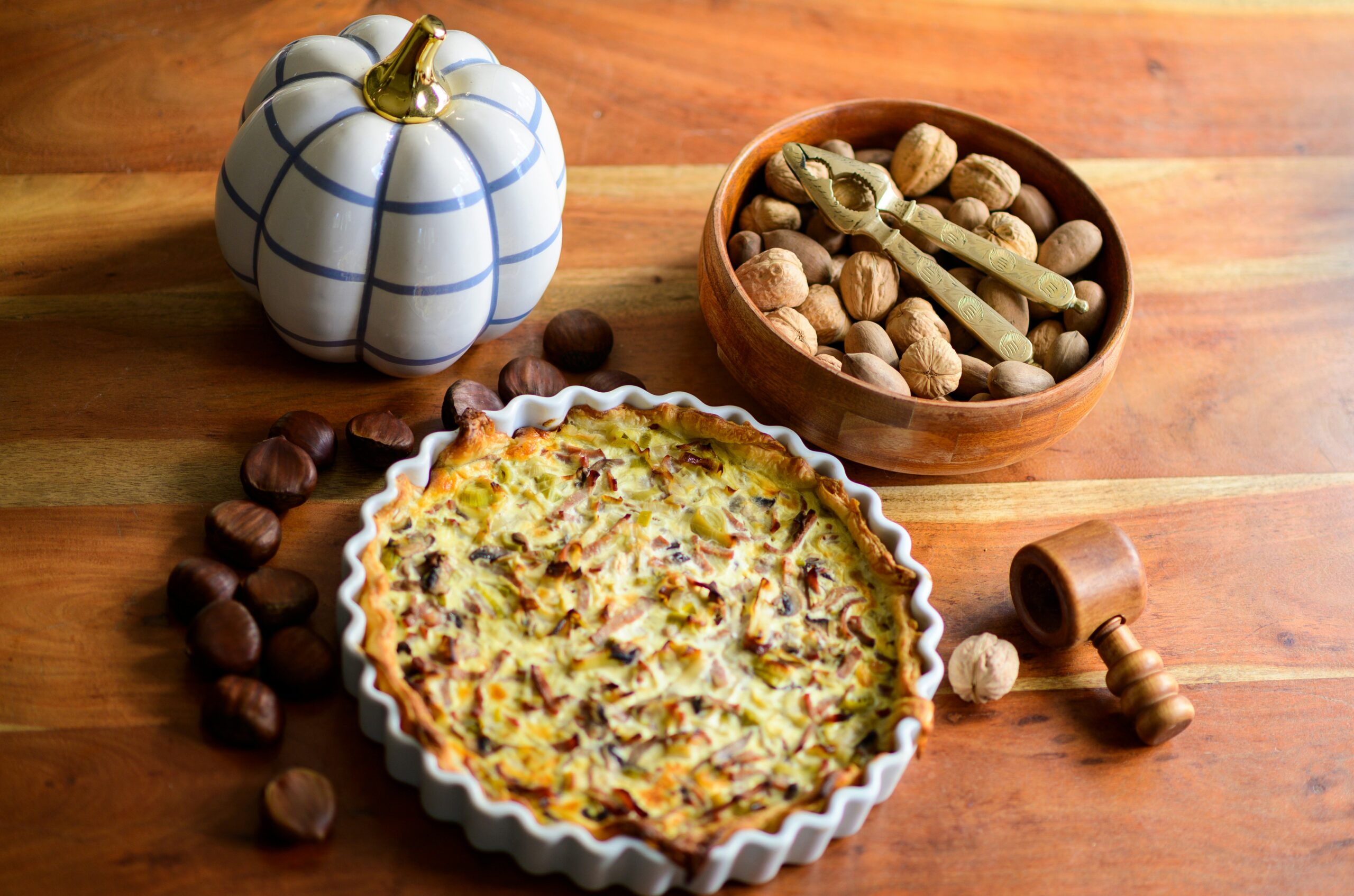
    Quiche Lorraine recipe is a classic French dish made with a flaky pastry crust and a creamy egg filling with bacon. This quiche Lorraine recipe delivers a smooth, rich texture and balanced flavor, making it perfect for breakfast, brunch, or a light dinner.

    This quiche Lorraine recipe focuses on simple ingredients and proper technique to create a custard that is creamy and fully set without being dry. The combination of eggs, cream, and bacon creates a dependable and satisfying dish.

    This dish is a classic example of French cuisine, known for its simple ingredients and refined results.


    Table of Contents

    • Ingredients
    • How to Make Quiche Lorraine Recipe
    • Pro Tips for Best Results
    • Serving Suggestions for Quiche Lorraine
    • Nutritional Information
    • Frequently Asked Questions


    Why This Quiche Lorraine Recipe Works

    This quiche Lorraine recipe is designed to create a smooth and balanced dish.

    • Eggs and cream create a custard texture
    • Bacon adds rich flavor
    • Blind baking prevents sogginess
    • Simple ingredients ensure consistency


    Ingredients

    For the Crust

    • 1½ cups flour
    • 100 g cold butter
    • ½ teaspoon salt
    • 3–4 tablespoons cold water

    For the Filling

    • 200 g bacon
    • 1 cup heavy cream
    • 3 eggs
    • ½ cup milk
    • Salt and pepper
    • Pinch of nutmeg


    How to Make Quiche Lorraine Recipe

    Step 1: Prepare the Crust

    Mix flour and butter, add water, form dough, and chill. Roll out and place in pan. Blind bake for 10–12 minutes.

    Step 2: Cook Bacon

    Cook bacon until crisp and drain.

    Step 3: Make Filling

    Whisk eggs, cream, milk, and seasoning.

    Step 4: Assemble

    Add bacon to crust and pour filling over.

    Step 5: Bake

    Bake at 180°C (350°F) for 30–35 minutes until set.

    Step 6: Serve

    Cool slightly before slicing.


    Pro Tips for Best Results

    • Use cold butter for flaky crust
    • Do not overbake
    • Let quiche rest before cutting
    • Blind bake crust properly


    Serving Suggestions for Quiche Lorraine

    Serve with:

    • Salad
    • Soup
    • Vegetables

    This quiche Lorraine recipe pairs well with dishes like Grilled Branzino for a complete meal.


    Nutritional Information (Approx. per serving)

    Calories: 400–500 kcal
    Protein: 15–20g
    Carbohydrates: 20–25g
    Fat: 25–30g
    Sodium: Moderate


    Storage and Reheating

    Store in the refrigerator for up to 3 days.

    For best results:

    • Reheat in oven
    • Avoid microwave for crust texture


    Frequently Asked Questions

    Can I add cheese?

    Yes, though traditional versions do not include it.

    Can I make it ahead?

    Yes, it reheats well.

    How do I store leftovers?

    Refrigerate up to 3 days.

    Can I freeze it?

    Yes, freeze after baking.


    How to Get a Perfect Quiche Texture

    Quiche Lorraine recipe depends on balance.

    Eggs provide structure, while cream and milk create a smooth texture. Baking at a steady temperature helps the custard set without becoming rubbery.


    Tips for a Crisp, Non-Soggy Crust

    This quiche Lorraine recipe relies on proper crust preparation.

    Blind baking ensures the crust stays firm. Using cold butter and minimal handling helps create a flaky texture.


    Variations You Can Try

    • Add cheese
    • Include vegetables
    • Use different meats
    • Adjust dairy ratio


    Common Mistakes to Avoid

    • Overbaking
    • Skipping blind bake
    • Using too much liquid
    • Not resting before slicing


    Make-Ahead and Storage Tips

    This quiche Lorraine recipe is ideal for planning ahead.

    • Bake in advance
    • Store up to 3 days
    • Reheat properly


    How to Turn This Into a Complete Meal

    This quiche Lorraine recipe can easily become a full meal.

    Serve with a salad or vegetables to balance richness. Adding soup can create a more complete dining experience.


    Final Thoughts

    This quiche Lorraine recipe is simple, reliable, and versatile, making it a great addition to any meal plan.


    Related Recipes You’ll Love

    – Chicken Cacciatore
    – Garlic Parmesan Chicken
    – Lemon Garlic Chicken


    Explore More Easy Dinner Recipes

    Discover more quick and simple meal ideas for any night:

    – Easy Dinner Recipes


    Author Note

    Dinners Recipe Team shares simple, reliable recipes designed for home cooks. Our goal is to make cooking easier while delivering flavorful, satisfying meals.

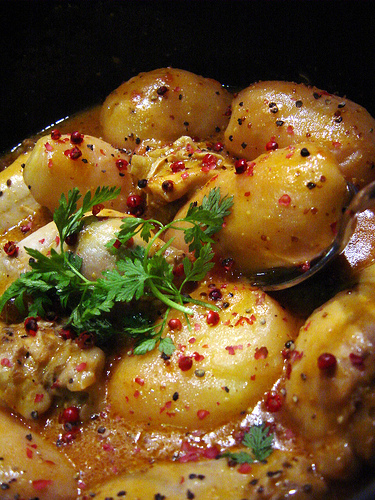
  • Chicken Fricassée Recipe – Classic French Creamy Chicken Stew

    Chicken Fricassée Recipe – Classic French Creamy Chicken Stew

    Chicken fricassée recipe is a classic French dish made with tender chicken simmered in a light, creamy white sauce with vegetables. This chicken fricassée recipe delivers a delicate balance of richness and comfort, making it perfect for both everyday meals and special occasions.

    This chicken fricassée recipe focuses on gentle cooking and a smooth sauce rather than heavy browning. The result is a velvety, flavorful dish that highlights simple ingredients and classic technique.

    This dish is a traditional example of French cuisine, known for its refined cooking methods and balanced flavors.


    Table of Contents

    • Ingredients
    • How to Make Chicken Fricassée Recipe
    • Pro Tips for Best Results
    • Serving Suggestions for Chicken Fricassée
    • Nutritional Information
    • Frequently Asked Questions


    Why This Chicken Fricassée Recipe Works

    This chicken fricassée recipe is designed to create a smooth, balanced dish.

    • Light cooking keeps sauce delicate
    • Cream creates a velvety texture
    • Vegetables add depth and texture
    • Slow simmering enhances flavor


    Ingredients

    For the Chicken

    • 750 grams chicken (bone-in pieces preferred)
    • Salt and black pepper to taste
    • 2 tablespoons butter
    • 1 tablespoon olive oil

    For the Sauce

    • 1 onion (chopped)
    • 2 cloves garlic (minced)
    • 200 grams mushrooms (sliced)
    • 2 carrots (sliced)
    • 2 tablespoons all-purpose flour
    • 1 cup chicken stock
    • ½ cup milk or cream
    • 1 bay leaf
    • 1 teaspoon thyme

    For Finishing

    • 2 tablespoons parsley (chopped)
    • 1 tablespoon lemon juice (optional)


    How to Make Chicken Fricassée Recipe

    Step 1: Prepare the Chicken

    Season chicken and cook lightly in butter and oil without deep browning. Remove and set aside.

    Step 2: Cook the Vegetables

    Cook onion until soft, then add garlic, mushrooms, and carrots.

    Step 3: Make the Base Sauce

    Add flour and stir. Gradually add stock while stirring to avoid lumps. Add herbs.

    Step 4: Simmer the Chicken

    Return chicken and simmer for 25–30 minutes until tender.

    Step 5: Add Cream

    Stir in milk or cream and cook until smooth.

    Step 6: Serve

    Finish with parsley and lemon juice, then serve.


    Pro Tips for Best Results

    • Avoid browning chicken too much
    • Stir sauce while adding liquid
    • Use bone-in chicken for flavor
    • Simmer gently


    Serving Suggestions for Chicken Fricassée

    Serve with:

    • Rice
    • Mashed potatoes
    • Bread
    • Vegetables

    This chicken fricassée recipe pairs well with dishes like Quiche Lorraine for a complete meal.


    Nutritional Information (Approx. per serving)

    Calories: 450–520 kcal
    Protein: 30–35 grams
    Carbohydrates: 15–20 grams
    Fat: 25–30 grams
    Fiber: 2–4 grams
    Sodium: Moderate


    Storage and Reheating

    Store in the refrigerator for up to 2–3 days.

    For best results:

    • Reheat gently
    • Add a small amount of liquid if needed


    Frequently Asked Questions

    What makes fricassée different?

    It uses a light, creamy sauce instead of a dark base.

    Can I use boneless chicken?

    Yes, but bone-in adds flavor.

    Can I make it dairy-free?

    Use plant-based alternatives.

    What vegetables can I add?

    Peas, beans, or potatoes.

    How do I store leftovers?

    Refrigerate and reheat gently.


    How to Create a Smooth, Creamy Sauce

    Chicken fricassée recipe depends on proper sauce preparation.

    Adding liquid slowly while stirring prevents lumps. The combination of flour and cream creates a smooth, velvety texture.


    How to Keep Chicken Tender

    This chicken fricassée recipe uses gentle cooking.

    Simmering over low heat ensures the chicken stays moist and absorbs flavor without becoming tough.


    Variations You Can Try

    • Add different vegetables
    • Use chicken breast or thighs
    • Adjust cream levels
    • Add herbs


    Common Mistakes to Avoid

    • Over-browning chicken
    • Adding liquid too quickly
    • Cooking on high heat
    • Not seasoning properly


    Make-Ahead and Storage Tips

    This chicken fricassée recipe is great for preparing ahead.

    • Cook in advance
    • Store up to 3 days
    • Reheat gently


    How to Turn This Into a Complete Meal

    This chicken fricassée recipe can easily become a full dinner.

    Serve with grains or vegetables to balance the richness. Bread helps absorb the sauce and enhances the meal.


    Final Thoughts

    This chicken fricassée recipe is simple, elegant, and full of flavor, making it a reliable choice for any occasion.


    Related Recipes You’ll Love

    – Quiche Lorraine
    – Chicken Cacciatore
    – Creamy Tuscan Chicken


    Explore More Chicken Dinner Recipes

    Discover more easy and flavorful chicken dinner ideas below:

    – Chicken Dinner Recipes


    Explore More Easy Dinner Recipes

    Discover more quick and simple meal ideas for any night:

    – Easy Dinner Recipes


    Author Note

    Dinners Recipe Team shares simple, reliable recipes designed for home cooks. Our goal is to make cooking easier while delivering flavorful, satisfying meals.


    Image Credit

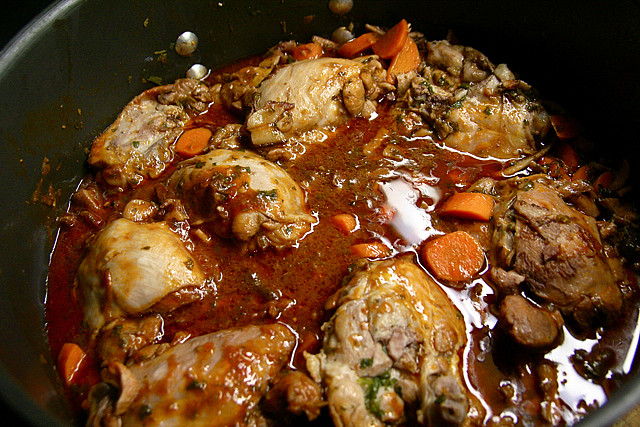
    “Fricassée de poulet au vinaigre doux” by ZhengZhou is licensed under CC BY-SA 2.0 / (Cropped from original) https://creativecommons.org

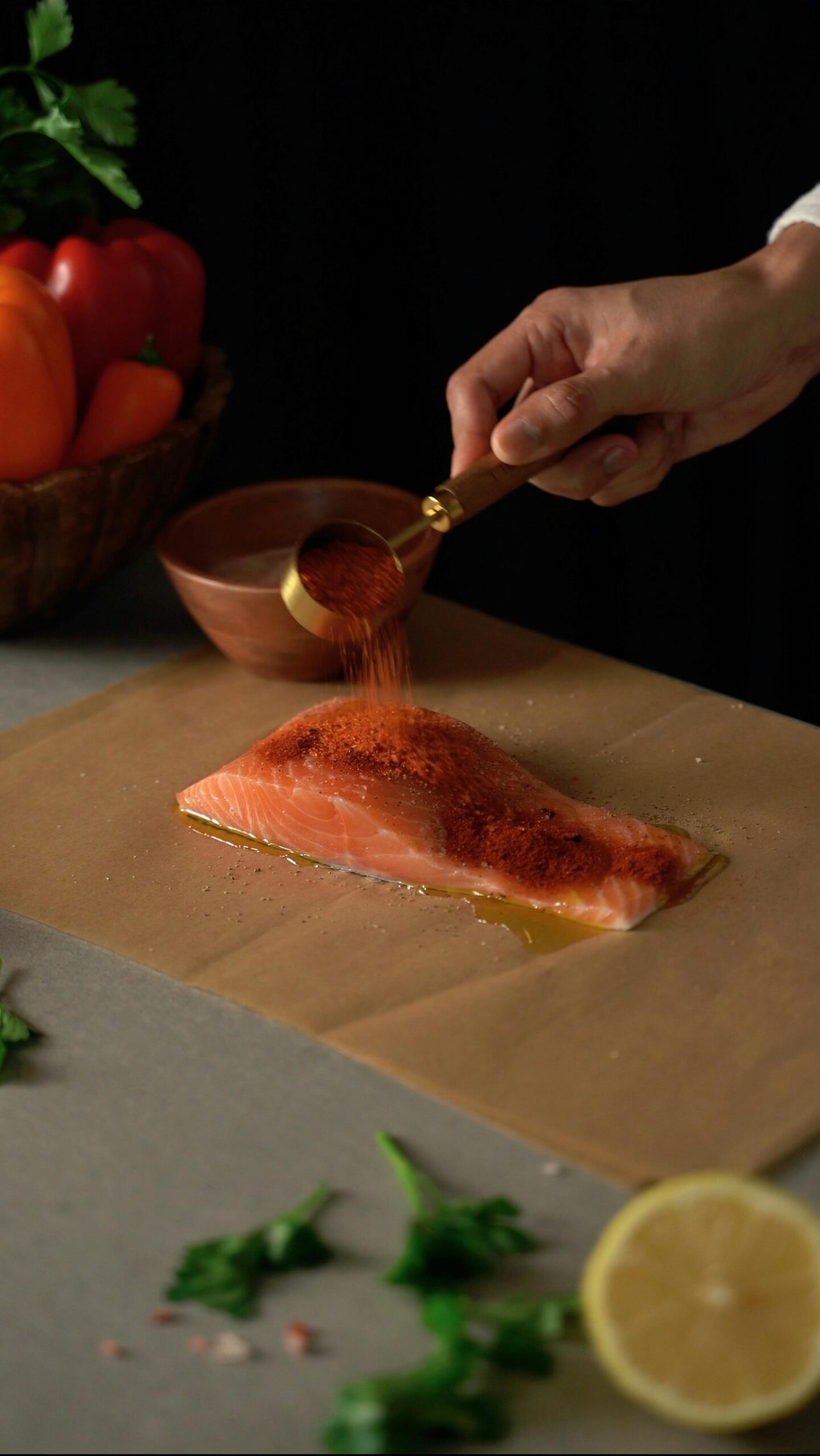
  • Salmon en Papillote Recipe – French Baked Salmon in Parchment

    Salmon en Papillote Recipe – French Baked Salmon in Parchment

    Salmon en papillote recipe is a classic French dish where salmon is baked inside a sealed parchment packet with vegetables, herbs, and seasonings. This salmon en papillote recipe delivers a light, aromatic flavor by gently steaming the fish in its own juices.

    This salmon en papillote recipe focuses on preserving moisture and natural flavor. The sealed packet traps steam, creating a tender, flaky texture without the need for heavy sauces or excess oil.

    This dish is a classic example of French cuisine, known for its elegant techniques and simple ingredients.


    Table of Contents

    • Ingredients
    • How to Make Salmon en Papillote Recipe
    • Pro Tips for Best Results
    • Serving Suggestions for Salmon en Papillote
    • Nutritional Information
    • Frequently Asked Questions


    Why This Salmon en Papillote Recipe Works

    This salmon en papillote recipe is designed to create a fresh and balanced dish.

    • Sealed cooking locks in moisture
    • Vegetables add flavor and texture
    • Herbs enhance aroma
    • Minimal oil keeps it light


    Ingredients

    For the Salmon

    • 2 salmon fillets
    • Salt and black pepper to taste
    • 1 tablespoon olive oil

    For the Filling

    • 1 small zucchini (thinly sliced)
    • 1 carrot (julienned)
    • ½ onion (thinly sliced)
    • 2–3 lemon slices
    • 2 cloves garlic (minced)
    • Fresh herbs (thyme, parsley, or dill)

    Optional

    • 2 tablespoons white wine
    • Chili flakes


    How to Make Salmon en Papillote Recipe

    Step 1: Prepare the Parchment

    Cut parchment paper and fold to create packets.

    Step 2: Assemble

    Add vegetables, place salmon on top, and season. Add garlic, lemon, herbs, and optional wine.

    Step 3: Seal the Packet

    Fold and crimp edges tightly to seal.

    Step 4: Bake

    Bake at 180°C (350°F) for 12–15 minutes.

    Step 5: Serve

    Open carefully and serve.


    Pro Tips for Best Results

    • Seal packets tightly
    • Use thinly sliced vegetables
    • Avoid overcooking
    • Use fresh herbs


    Serving Suggestions for Salmon en Papillote

    Serve with:

    • Rice
    • Salad
    • Vegetables
    • Bread

    This salmon en papillote recipe pairs well with dishes like Quiche Lorraine for a complete meal.


    Nutritional Information (Approx. per serving)

    Calories: 320–380 kcal
    Protein: 28–32 grams
    Carbohydrates: 8–12 grams
    Fat: 18–22 grams
    Fiber: 2–3 grams
    Sodium: Moderate


    Storage and Reheating

    Store in the refrigerator for up to 2 days.

    For best results:

    • Reheat gently
    • Avoid overcooking


    Frequently Asked Questions

    Can I use foil instead of parchment?

    Yes, but parchment is more traditional.

    How do I know it’s cooked?

    It should flake easily and be opaque.

    Can I prepare ahead?

    Yes, assemble and refrigerate before baking.

    What vegetables work best?

    Zucchini, carrots, asparagus, or beans.

    Is it healthy?

    Yes, it’s light and nutrient-rich.


    How to Cook Salmon Perfectly in Parchment

    Salmon en papillote recipe depends on steam cooking.

    The sealed packet traps moisture, allowing the fish to cook evenly and stay tender. Timing is important to prevent overcooking.


    How to Build Flavor Without Heavy Sauces

    This salmon en papillote recipe uses natural ingredients.

    Lemon, herbs, and garlic enhance flavor while keeping the dish light. The juices from the fish combine with vegetables to create a natural sauce.


    Variations You Can Try

    • Use different fish
    • Add soy sauce or mustard
    • Use different vegetables
    • Adjust seasoning


    Common Mistakes to Avoid

    • Not sealing properly
    • Overcooking the fish
    • Using thick vegetables
    • Skipping seasoning


    Make-Ahead and Storage Tips

    This salmon en papillote recipe is great for planning ahead.

    • Assemble in advance
    • Store in refrigerator
    • Bake fresh when ready


    How to Turn This Into a Complete Meal

    This salmon en papillote recipe can easily become a full dinner.

    Serve with grains or vegetables to create a balanced plate. Adding a side dish enhances both nutrition and variety.


    Final Thoughts

    This salmon en papillote recipe is simple, healthy, and flavorful, making it a great option for quick and elegant meals.


    Related Recipes You’ll Love

    – Grilled Branzino
    – Chicken Fricassée
    – Lemon Garlic Chicken
    – Confit de Canard
    – Sole Meunière


    Explore More Easy Dinner Recipes

    Discover more quick and simple meal ideas for any night:

    – Easy Dinner Recipes


    Author Note

    Dinners Recipe Team shares simple, reliable recipes designed for home cooks. Our goal is to make cooking easier while delivering flavorful, satisfying meals.

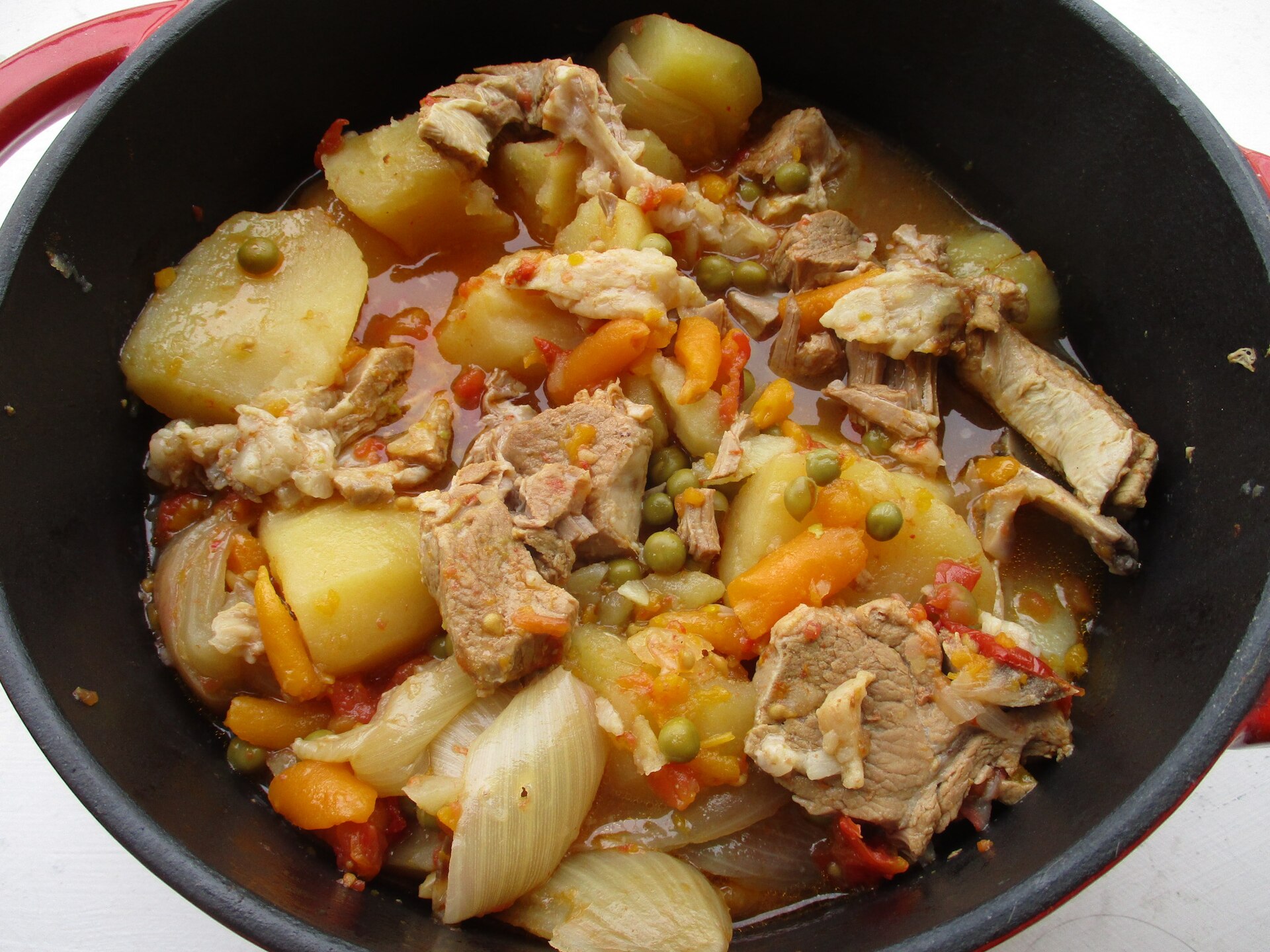
  • Lamb Navarin Recipe – Classic French Lamb Stew

    Lamb Navarin Recipe – Classic French Lamb Stew

    Lamb Navarin recipe is a traditional French stew made with tender lamb, spring vegetables, and a light, flavorful broth. This Lamb Navarin recipe combines slow-simmered lamb with carrots, potatoes, peas, and herbs to create a balanced and comforting dish that feels hearty without being too heavy.

    This French cuisine Lamb Navarin recipe focuses on gentle cooking and simple ingredients, allowing the natural richness of the lamb and freshness of the vegetables to stand out.


    Table of Contents

    • Ingredients
    • How to Make Lamb Navarin Recipe
    • Pro Tips for Best Results
    • Serving Suggestions for Lamb Navarin
    • Nutritional Information
    • Frequently Asked Questions


    Why This Lamb Navarin Recipe Works

    This Lamb Navarin recipe is designed to create tender meat and balanced flavor.

    • Slow simmering keeps lamb tender
    • Vegetables add freshness and texture
    • Light broth prevents heaviness
    • Herbs create classic French flavor


    Ingredients

    For the Lamb

    • 700 grams lamb shoulder or neck
    • Salt and black pepper
    • 2 tablespoons flour

    For the Stew

    • 2 tablespoons olive oil or butter
    • 1 onion, chopped
    • 3 cloves garlic, minced
    • 2 tablespoons tomato paste
    • 3 cups lamb or vegetable stock
    • 1 teaspoon thyme
    • 1 bay leaf

    Vegetables

    • 2 carrots, sliced
    • 2 potatoes, cubed
    • 1 cup peas
    • 1 turnip, chopped (optional)

    For Garnish

    • Fresh parsley


    How to Make Lamb Navarin Recipe

    Step 1: Prepare the Lamb

    Season lamb with salt and pepper.

    Lightly coat with flour.

    Step 2: Brown the Lamb

    Heat oil or butter in a pot.

    Brown lamb on all sides and remove.

    Step 3: Cook the Base

    Cook onions until softened.

    Add garlic and tomato paste.

    Step 4: Build the Stew

    Return lamb to the pot.

    Add stock, thyme, and bay leaf.

    Simmer for about 45 minutes.

    Step 5: Add Vegetables

    Add carrots, potatoes, and turnips.

    Cook until tender.

    Add peas during the final minutes.

    Step 6: Serve

    Remove bay leaf, garnish with parsley, and serve hot.


    Pro Tips for Best Results

    • Brown lamb thoroughly for deeper flavor
    • Use lamb shoulder for tenderness
    • Avoid overcooking peas
    • Keep broth light, not overly thick


    Serving Suggestions for Lamb Navarin

    Serve with:

    • Crusty bread
    • Rice
    • Mashed potatoes
    • Roasted vegetables

    This Lamb Navarin recipe pairs well with dishes like this Coq au Vin for a classic French-inspired meal.


    Nutritional Information (Approx. per serving)

    Calories: 450–550 kcal
    Protein: 30–35g
    Carbohydrates: 25–30g
    Fat: 20–25g
    Fiber: 4–6g
    Sodium: Moderate


    Storage and Reheating

    Store in the refrigerator for up to 3 days.

    For best results:

    • Reheat gently on the stove
    • Add a splash of stock if needed
    • Avoid boiling during reheating


    Frequently Asked Questions

    What cut of lamb works best?

    Lamb shoulder or neck provides the best flavor and tenderness.

    Can I make it without potatoes?

    Yes, you can substitute with vegetables like zucchini or beans.


    How to Keep Lamb Tender During Cooking

    This Lamb Navarin recipe depends on slow cooking and proper simmering.

    Lamb shoulder and neck contain connective tissue that becomes tender during longer cooking times. Simmering gently instead of boiling helps preserve moisture and texture.

    Browning the lamb first adds flavor while helping seal the exterior before simmering.

    Cooking the stew slowly allows the meat to soften while blending flavors throughout the broth.


    How to Build a Light French-Style Stew

    Unlike heavier stews, Lamb Navarin is meant to feel balanced and delicate.

    Using moderate amounts of tomato paste and stock creates a lighter broth while still providing depth of flavor.

    Fresh vegetables add sweetness and texture without overwhelming the dish. Adding peas near the end helps maintain color and freshness.

    Fresh herbs such as thyme and parsley help create traditional French flavor without making the stew overly rich.


    Variations You Can Try

    • Add green beans
    • Use pearl onions
    • Add mushrooms
    • Serve with buttered noodles


    Common Mistakes to Avoid

    • Boiling instead of simmering
    • Overcooking vegetables
    • Using lean cuts of lamb
    • Making the broth too thick


    Make-Ahead and Storage Tips

    This Lamb Navarin recipe develops even more flavor over time.

    • Prepare a day ahead for deeper flavor
    • Store leftovers up to 3 days
    • Freeze for up to 2 months
    • Reheat slowly for best texture


    How to Turn This Into a Complete Meal

    This Lamb Navarin recipe can easily become a complete dinner.

    Serve it with bread, rice, or potatoes to create a balanced meal. Adding a simple salad or roasted vegetables can provide additional texture and freshness.

    This stew also works well for family meals, meal prep, or colder evenings when a comforting dish is ideal.


    Final Thoughts

    This Lamb Navarin recipe is light, comforting, and full of classic French flavor, making it a reliable option for elegant yet simple home cooking.


    Related Recipes You’ll Love

    – Coq au Vin
    – Beef Bourguignon
    – Cassoulet


    Explore More Easy Dinner Recipes

    Discover more quick and simple meal ideas for any night:

    – Easy Dinner Recipes


    Author Note

    Dinners Recipe Team shares simple, reliable recipes designed for home cooks. Our goal is to make cooking easier while delivering flavorful, satisfying meals.


    Image Credit

    “Navarin d’agneau” by ZhengZhou is licensed under CC-BY-SA-4.0. https://creativecommons.org

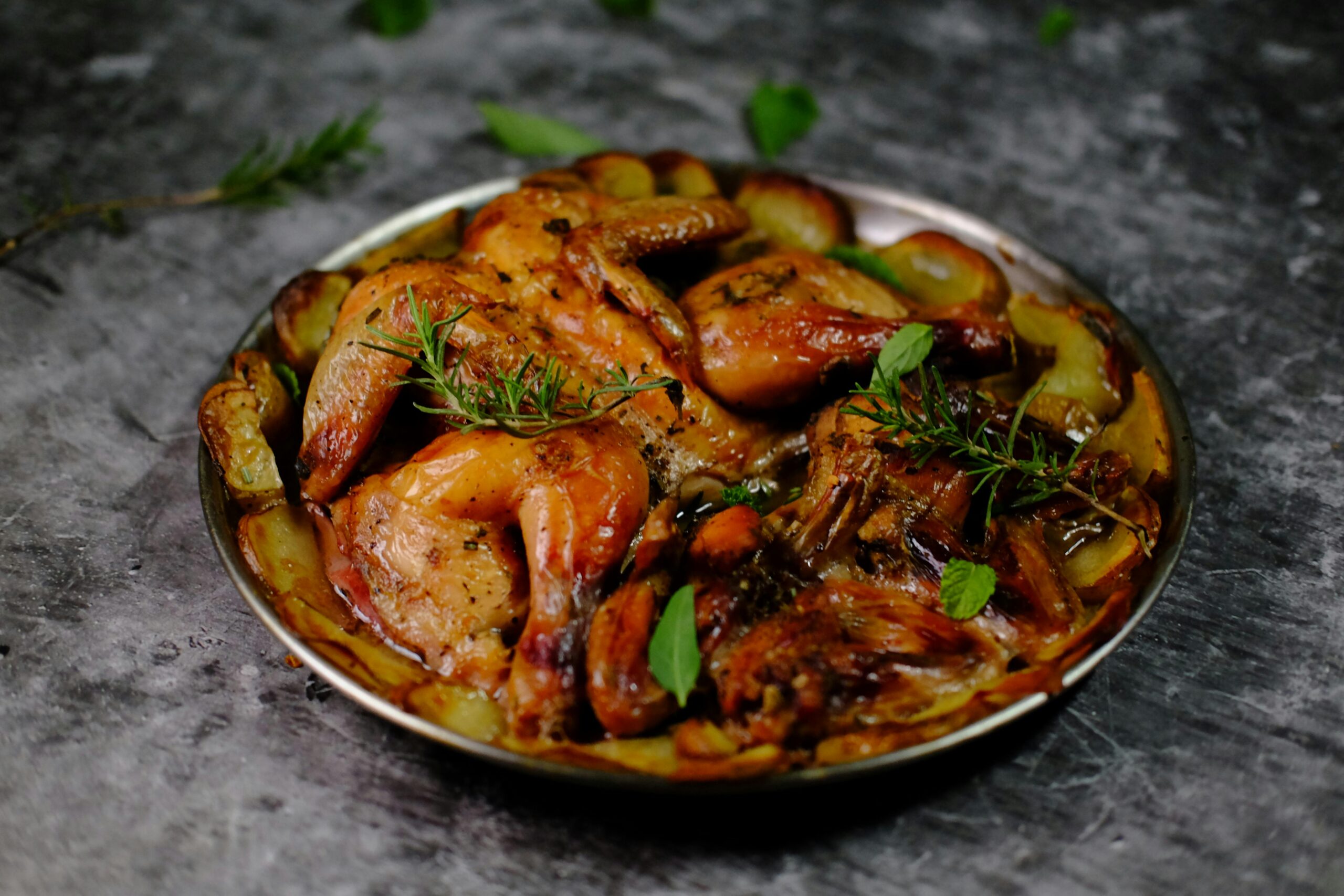
  • Poulet Rôti Recipe – Simple, Juicy & Classic French Roast Chicken

    Poulet Rôti Recipe – Simple, Juicy & Classic French Roast Chicken

    Poulet Rôti recipe is a classic French roast chicken dish known for crispy skin, juicy meat, and simple rustic flavor. This Poulet Rôti recipe uses butter, garlic, herbs, and proper roasting technique to create a flavorful roast chicken that works well for family dinners or special occasions.

    This Poulet Rôti recipe is a French cuisine that focuses on simple preparation and proper roasting methods to achieve tender chicken with golden, crispy skin.


    Table of Contents

    • Ingredients
    • How to Make Poulet Rôti Recipe
    • Pro Tips for Best Results
    • Serving Suggestions for Poulet Rôti
    • Nutritional Information
    • Frequently Asked Questions


    Why This Poulet Rôti Recipe Works

    This Poulet Rôti recipe is designed to create juicy meat and crispy skin.

    • Butter helps crisp the skin
    • Herbs add classic French flavor
    • Roasting evenly keeps chicken juicy
    • Simple ingredients create rich flavor


    Ingredients

    For the Chicken

    • 1 whole chicken (1–1.2 kg)
    • Salt and black pepper
    • 2 tablespoons butter, softened
    • 1 tablespoon olive oil

    For Flavoring

    • 4–5 garlic cloves, crushed
    • 1 lemon, halved
    • 2–3 thyme or rosemary sprigs
    • 1 onion, quartered

    Optional Vegetables

    • 3–4 potatoes, chopped
    • 2 carrots, chopped


    How to Make Poulet Rôti Recipe

    Step 1: Prepare the Chicken

    Pat chicken dry thoroughly.

    Season inside and outside with salt and pepper.

    Step 2: Add Flavoring

    Rub butter over the chicken.

    Stuff cavity with garlic, lemon, onion, and herbs.

    Step 3: Prepare for Roasting

    Preheat oven to 400°F (200°C).

    Place chicken in a roasting tray.

    Add vegetables around the chicken if using.

    Step 4: Roast

    Roast for 60–75 minutes.

    Baste occasionally with pan juices.

    Step 5: Rest

    Allow chicken to rest for 10–15 minutes before carving.

    Step 6: Serve

    Carve and serve with roasted vegetables and pan juices.


    Pro Tips for Best Results

    • Dry the chicken well before roasting
    • Use butter under the skin if possible
    • Let chicken rest before slicing
    • Baste during roasting for extra flavor


    Serving Suggestions for Poulet Rôti

    Serve with:

    • Roasted potatoes
    • Green beans
    • Salad
    • Rice

    This Poulet Rôti recipe pairs well with dishes like this Coq au Vin for a classic French-inspired meal.


    Nutritional Information (Approx. per serving)

    Calories: 450–550 kcal
    Protein: 30–35g
    Carbohydrates: 10–15g
    Fat: 25–30g
    Fiber: 2–3g
    Sodium: Moderate


    Storage and Reheating

    Store in the refrigerator for up to 3–4 days.

    For best results:

    • Reheat in the oven
    • Cover loosely with foil
    • Avoid overheating to prevent dryness


    Frequently Asked Questions

    How do I know the chicken is fully cooked?

    The internal temperature should reach 165°F (75°C).

    Can I use boneless chicken?

    Yes, but whole chicken provides better flavor and texture.


    How to Get Crispy Roast Chicken Skin

    This Poulet Rôti recipe depends on proper drying and roasting temperature.

    Removing excess moisture from the chicken skin before roasting helps it crisp properly. Butter and oil also promote browning and flavor.

    Roasting at a higher temperature creates a golden crust while keeping the inside tender.

    Allowing air circulation around the chicken during roasting also improves texture and even cooking.


    How to Keep Roast Chicken Juicy

    The key to this Poulet Rôti recipe is balancing roasting time and resting.

    Overcooking can quickly dry out chicken, especially the breast meat. Using a thermometer helps prevent this problem.

    Letting the chicken rest after roasting allows juices to redistribute through the meat, improving both texture and flavor.

    Basting occasionally during cooking can also help maintain moisture.


    Variations You Can Try

    • Add white wine to the roasting pan
    • Use rosemary instead of thyme
    • Add garlic butter under the skin
    • Serve with pan sauce


    Common Mistakes to Avoid

    • Not drying the chicken properly
    • Overcooking
    • Skipping the resting step
    • Using low roasting temperature


    Make-Ahead and Storage Tips

    This Poulet Rôti recipe works well for meal prep and leftovers.

    • Roast ahead for easy meals
    • Store leftovers up to 4 days
    • Use leftover chicken in soups or salads
    • Reheat gently for best texture


    How to Turn This Into a Complete Meal

    This Poulet Rôti recipe can easily become a complete dinner.

    Serve it with roasted vegetables, potatoes, or salad to create a balanced meal. Adding bread or rice can make it even more filling for larger meals or gatherings.

    The pan juices can also be turned into a simple sauce for additional flavor.


    Final Thoughts

    This Poulet Rôti recipe is simple, flavorful, and reliable, making it one of the best ways to prepare classic French roast chicken at home.


    Related Recipes You’ll Love

    – Coq au Vin
    – Chicken Fricassée
    – Cassoulet


    Explore More Chicken Dinner Recipes

    – Chicken Dinner Recipes


    Explore More Easy Dinner Recipes

    – Easy Dinner Recipes


    Author Note

    Dinners Recipe Team shares simple, reliable recipes designed for home cooks. Our goal is to make cooking easier while delivering flavorful, satisfying meals.

  • Moules Marinières Recipe – Mussels with White Wine

    Moules Marinières Recipe – Mussels with White Wine

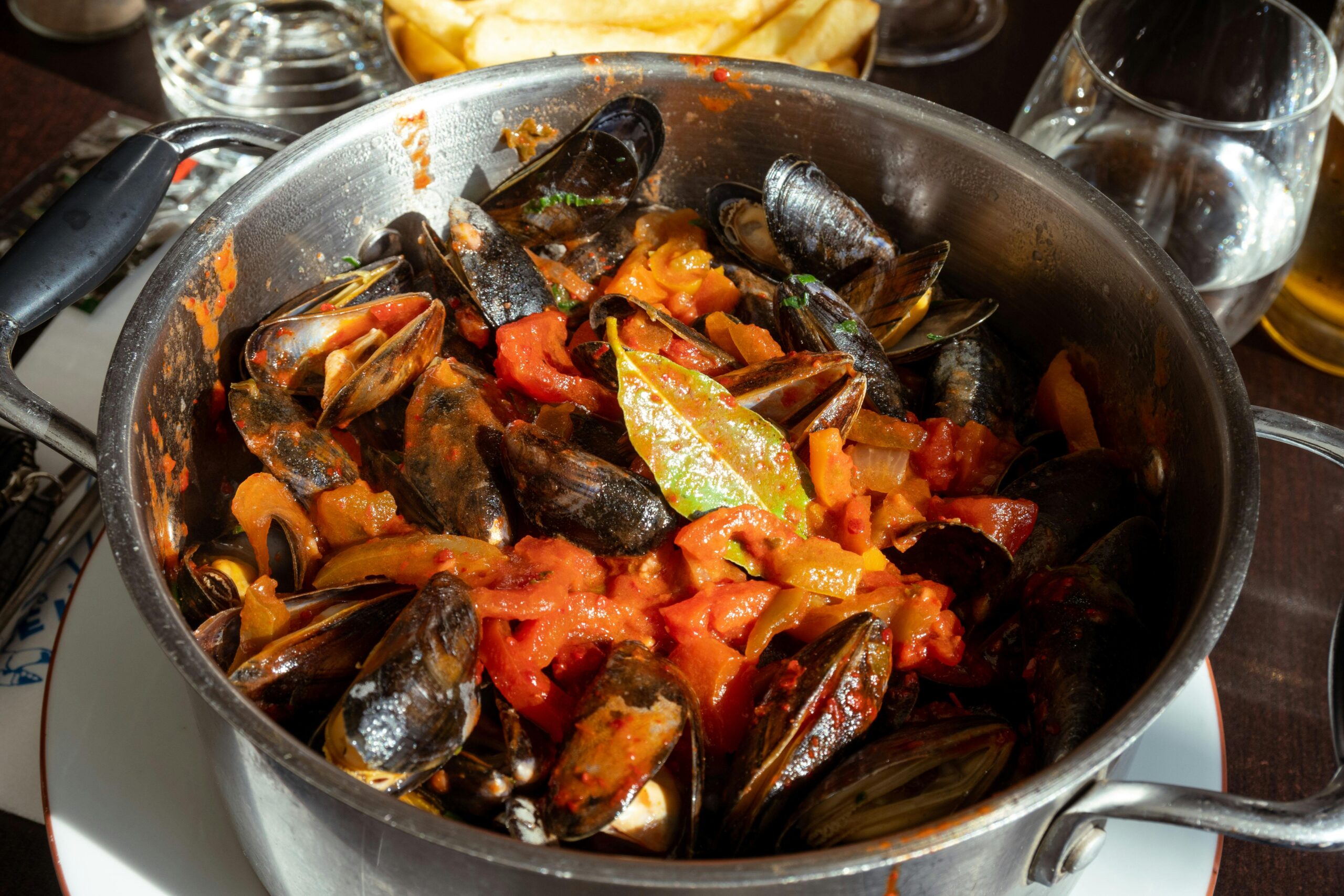
    Moules Marinières recipe is a classic French seafood dish made with fresh mussels cooked in white wine, garlic, butter, onions, and herbs. This Moules Marinières recipe creates a light yet flavorful broth that pairs perfectly with crusty bread or fries.

    This Moules Marinières recipe focuses on simple ingredients and proper cooking technique to create tender mussels with rich coastal flavor.


    Table of Contents

    • Ingredients
    • How to Make Moules Marinières Recipe
    • Pro Tips for Best Results
    • Serving Suggestions for Moules Marinières
    • Nutritional Information
    • Frequently Asked Questions


    Why This Moules Marinières Recipe Works

    This Moules Marinières recipe is designed to create fresh and balanced seafood flavor.

    • White wine creates aromatic broth
    • Garlic and butter add richness
    • Quick cooking keeps mussels tender
    • Herbs enhance freshness


    Ingredients

    For the Mussels

    • 1 kg fresh mussels
    • 2 tablespoons butter
    • 1 tablespoon olive oil
    • 1 onion or 2 shallots, chopped
    • 3 garlic cloves, minced
    • 1 cup dry white wine
    • Salt and black pepper

    For Flavor

    • 2 tablespoons parsley, chopped
    • 1 tablespoon cream (optional)
    • Lemon wedges


    How to Make Moules Marinières Recipe

    Step 1: Clean the Mussels

    Rinse mussels under cold water.

    Remove beards and discard damaged or open mussels that do not close when tapped.

    Step 2: Prepare the Base

    Heat butter and olive oil in a large pot.

    Cook onion or shallots until softened.

    Add garlic and cook briefly.

    Step 3: Add Wine and Mussels

    Pour in white wine and simmer briefly.

    Add mussels and cover the pot.

    Step 4: Steam the Mussels

    Cook for 5–7 minutes, shaking occasionally.

    Discard unopened mussels.

    Step 5: Finish

    Add parsley and optional cream.

    Stir gently.

    Step 6: Serve

    Serve immediately with lemon wedges and bread.


    Pro Tips for Best Results

    • Use fresh mussels only
    • Avoid overcooking
    • Use dry white wine for balance
    • Serve immediately after cooking


    Serving Suggestions for Moules Marinières

    Serve with:

    • Crusty bread
    • French fries
    • Salad
    • Roasted vegetables

    This Moules Marinières recipe pairs well with dishes like this Bouillabaisse for a French seafood-inspired meal.


    Nutritional Information (Approx. per serving)

    Calories: 300–350 kcal
    Protein: 20–25g
    Carbohydrates: 8–12g
    Fat: 15–18g
    Fiber: 1–2g
    Sodium: Moderate


    Storage and Reheating

    Store in the refrigerator for up to 1 day.

    For best results:

    • Reheat gently on low heat
    • Avoid prolonged reheating
    • Consume fresh whenever possible


    Frequently Asked Questions

    How do I know mussels are fresh?

    Fresh mussels should close when tapped and smell clean like the ocean.

    Can I make it without wine?

    Yes, substitute with fish stock and lemon juice.


    How to Cook Mussels Properly

    This Moules Marinières recipe depends on cooking the mussels quickly and gently.

    Mussels cook very fast and only need a few minutes once steamed. Overcooking can make them rubbery and tough.

    Using a covered pot traps steam and allows the mussels to open naturally while absorbing the broth flavor.

    Any mussels that remain closed after cooking should be discarded.


    How to Build Flavorful White Wine Broth

    The key to this Moules Marinières recipe is balancing butter, wine, garlic, and herbs.

    Cooking onions or shallots slowly first helps develop sweetness and depth. Garlic adds aroma while white wine creates acidity and brightness.

    Fresh parsley helps lighten the broth while optional cream adds richness for a smoother texture.

    Serving the broth with bread helps absorb the flavors and completes the dish.


    Variations You Can Try

    • Add cream for richness
    • Use shallots instead of onion
    • Add thyme or tarragon
    • Add shrimp or clams


    Common Mistakes to Avoid

    • Using old mussels
    • Overcooking seafood
    • Using sweet wine
    • Skipping cleaning and debearding


    Make-Ahead and Storage Tips

    This Moules Marinières recipe is best served immediately after cooking.

    • Clean mussels ahead of time
    • Prepare broth ingredients early
    • Cook just before serving
    • Store leftovers only briefly


    How to Turn This Into a Complete Meal

    This Moules Marinières recipe can easily become a complete seafood dinner.

    Serve it with fries, bread, or salad for a balanced meal. Adding roasted vegetables or a light appetizer can make it suitable for entertaining or special occasions.

    The broth itself becomes an important part of the meal and pairs especially well with crusty bread.


    Final Thoughts

    This Moules Marinières recipe is simple, elegant, and packed with fresh seafood flavor, making it one of the most iconic French cuisine coastal dishes.


    Related Recipes You’ll Love

    – Bouillabaisse
    – New England Baked Haddock
    – Crab Cakes


    Explore More Easy Dinner Recipes

    Discover more quick and simple meal ideas for any night:

    – Easy Dinner Recipes


    Author Note

    Dinners Recipe Team shares simple, reliable recipes designed for home cooks. Our goal is to make cooking easier while delivering flavorful, satisfying meals.

  • Confit de Canard Recipe – Classic French Duck Confit

    Confit de Canard Recipe – Classic French Duck Confit

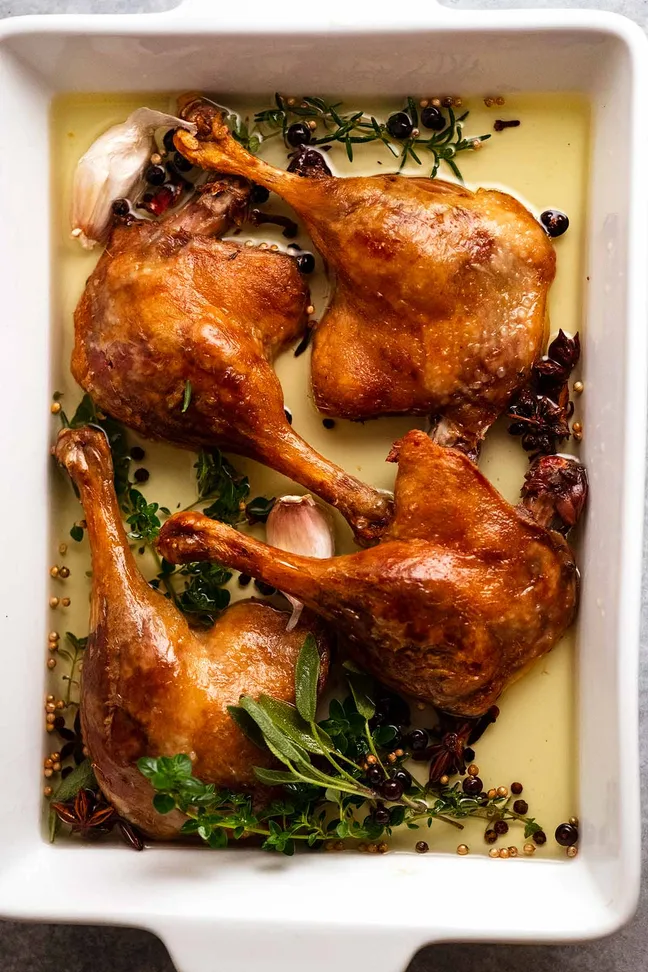
    Confit de canard recipe is a traditional French dish made by slow-cooking duck legs in their own fat until tender, then crisping the skin before serving. This confit de canard recipe delivers rich flavor, soft meat, and a crispy finish, making it a classic gourmet preparation.

    This confit de canard recipe focuses on low and slow cooking to create a tender texture while preserving moisture. The final crisping step adds contrast, resulting in a balanced and satisfying dish.

    This dish is a classic example of French cuisine, known for its traditional techniques and deep flavors.


    Table of Contents

    • Ingredients
    • How to Make Confit de Canard Recipe
    • Pro Tips for Best Results
    • Serving Suggestions for Confit de Canard
    • Nutritional Information
    • Frequently Asked Questions


    Why This Confit de Canard Recipe Works

    This confit de canard recipe is designed to create a rich and tender dish.

    • Slow cooking creates tender meat
    • Duck fat enhances flavor
    • Curing adds depth
    • Crisping adds texture


    Ingredients

    For the Duck

    • 2 duck legs (with skin)
    • 2 teaspoons salt
    • 1 teaspoon black pepper
    • 3–4 cloves garlic (crushed)
    • 2–3 sprigs thyme
    • 2 bay leaves

    For Cooking

    • 2–3 cups duck fat (enough to cover duck legs)

    For Serving (Optional)

    • Roasted potatoes
    • Fresh parsley


    How to Make Confit de Canard Recipe

    Step 1: Cure the Duck

    Rub duck with salt, pepper, garlic, thyme, and bay leaves. Refrigerate for 12–24 hours.

    Step 2: Prepare for Cooking

    Rinse off excess salt and pat dry.

    Step 3: Slow Cook

    Place duck in a dish, cover with duck fat, and cook at 120°C (250°F) for 2.5–3 hours.

    Step 4: Crisp the Skin

    Remove duck and cook skin-side down in a pan until crispy.

    Step 5: Serve

    Serve hot with sides.


    Pro Tips for Best Results

    • Cook low and slow
    • Use enough fat to submerge
    • Do not skip curing step
    • Crisp skin before serving


    Serving Suggestions for Confit de Canard

    Serve with:

    • Roasted potatoes
    • Vegetables
    • Salad
    • Bread

    This confit de canard recipe pairs well with dishes like Quiche Lorraine for a complete meal.


    Nutritional Information (Approx. per serving)

    Calories: 600–700 kcal
    Protein: 25–30 grams
    Carbohydrates: 2–5 grams
    Fat: 55–65 grams
    Fiber: 0–1 gram
    Sodium: Moderate


    Storage and Reheating

    Store submerged in fat in the refrigerator for several weeks.

    For best results:

    • Reheat gently
    • Crisp before serving


    Frequently Asked Questions

    What does confit mean?

    It refers to slow cooking in fat.

    Can I use other fats?

    Yes, but flavor will differ.

    How long can it be stored?

    Several weeks if stored properly.

    Why is it not crispy?

    It needs a final pan-searing step.

    Can I use chicken?

    Yes, but flavor is lighter.


    How to Achieve Tender Duck

    Confit de canard recipe depends on slow cooking.

    Cooking at low temperature allows the fat to break down connective tissue, resulting in tender meat.


    How to Get Crispy Skin

    This confit de canard recipe requires a finishing step.

    Cooking skin-side down in a hot pan renders fat and creates a crispy texture.


    Variations You Can Try

    • Use different herbs
    • Add garlic flavor
    • Try goose fat
    • Serve with different sides


    Common Mistakes to Avoid

    • Cooking too fast
    • Not using enough fat
    • Skipping curing step
    • Not crisping skin


    Make-Ahead and Storage Tips

    This confit de canard recipe is ideal for preparation ahead.

    • Store in fat
    • Keep refrigerated
    • Reheat when needed


    How to Turn This Into a Complete Meal

    This confit de canard recipe can easily become a full dinner.

    Serve with vegetables and potatoes to balance the richness. Adding lighter sides enhances the overall meal.


    Final Thoughts

    This confit de canard recipe is rich, traditional, and deeply flavorful, making it a standout dish for special occasions.


    Related Recipes You’ll Love

    – Chicken Fricassée
    – Quiche Lorraine
    – Cassoulet


    Explore More Easy Dinner Recipes

    Discover more quick and simple meal ideas for any night:

    – Easy Dinner Recipes


    Author Note

    Dinners Recipe Team shares simple, reliable recipes designed for home cooks. Our goal is to make cooking easier while delivering flavorful, satisfying meals.


    Image Credit

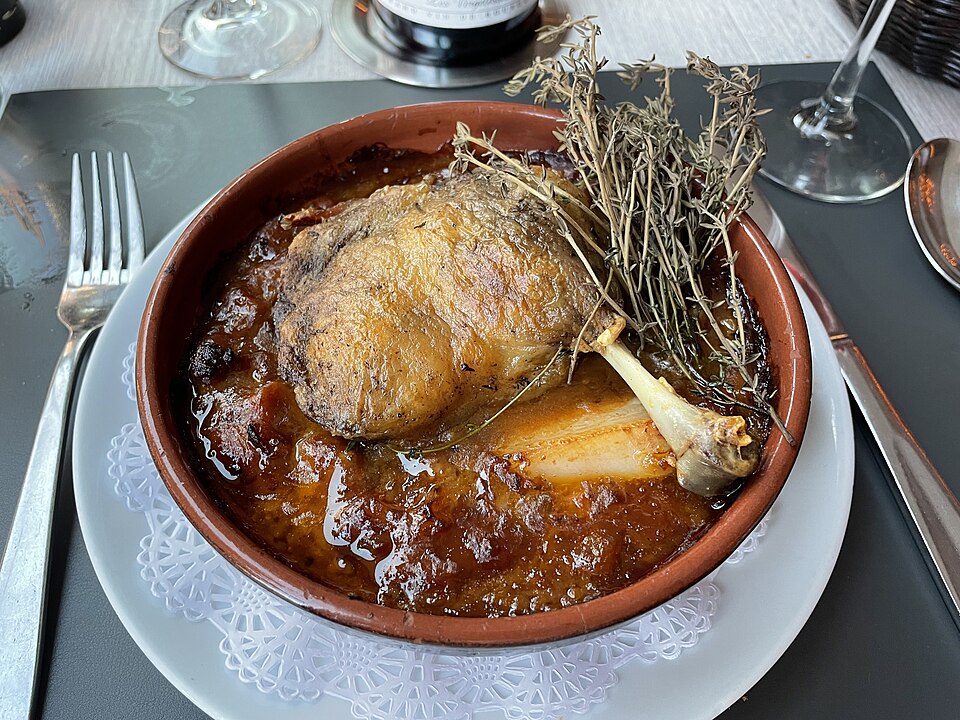
    “Cassoulet au Confit de Canard” by ZhengZhou is licensed under CC BY-SA 4.0. https://creativecommons.org
  • Sole Meunière Recipe – Classic French Butter Fish

    Sole Meunière Recipe – Classic French Butter Fish

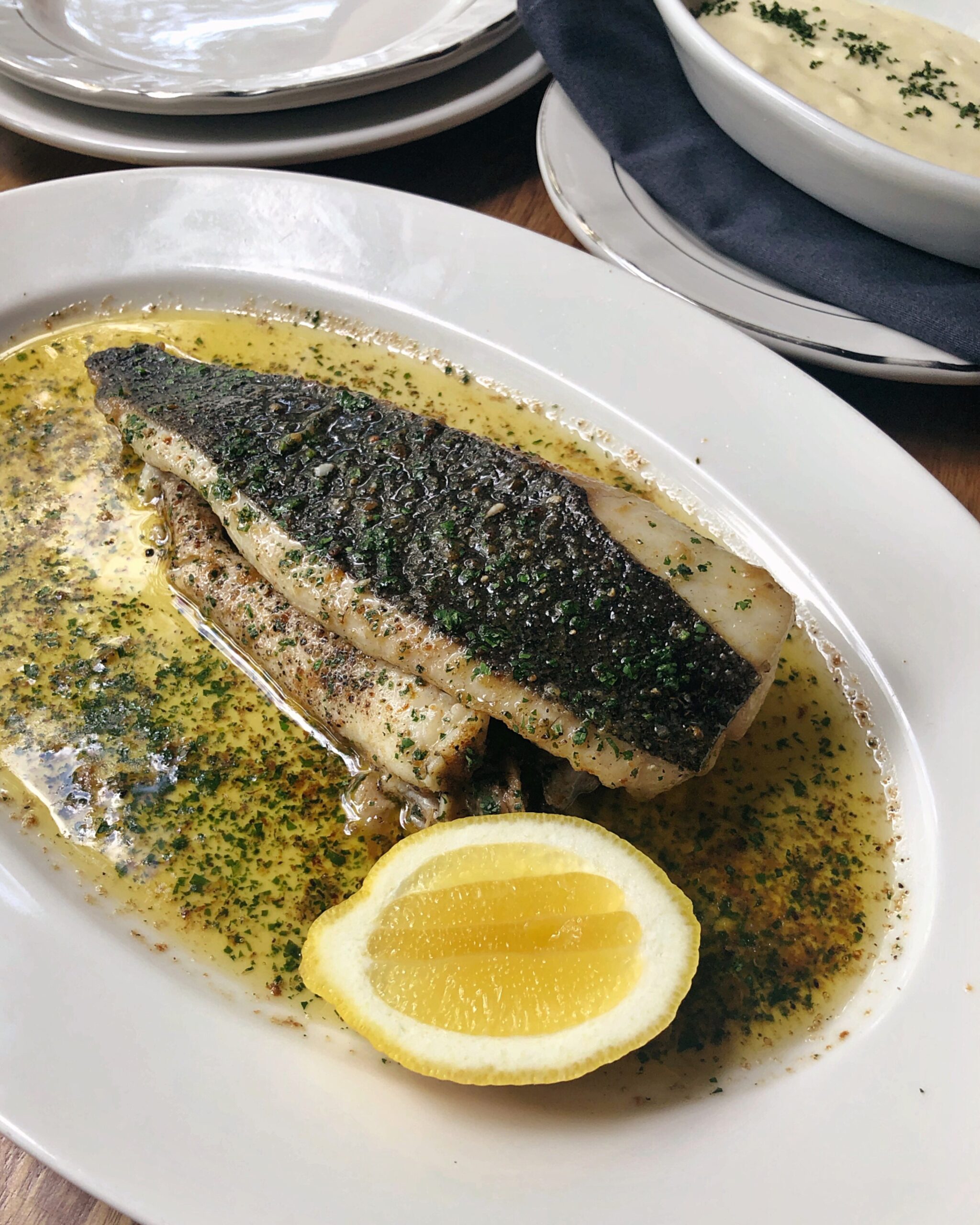
    Sole Meunière recipe is a classic French seafood dish made with delicate fish fillets lightly coated in flour, pan-fried in butter, and finished with lemon and parsley. This Sole Meunière recipe creates a light golden crust while keeping the fish tender and flaky inside.

    This Sole Meunière recipe is a French cuisine that focuses on simple ingredients and careful cooking technique to deliver elegant flavor with minimal preparation.


    Table of Contents

    • Ingredients
    • How to Make Sole Meunière Recipe
    • Pro Tips for Best Results
    • Serving Suggestions for Sole Meunière
    • Nutritional Information
    • Frequently Asked Questions


    Why This Sole Meunière Recipe Works

    This Sole Meunière recipe is designed to create balanced flavor and delicate texture.

    • Flour coating creates a light crust
    • Butter adds richness and depth
    • Lemon balances the richness
    • Quick cooking keeps fish tender


    Ingredients

    For the Fish

    • 2–3 sole fillets
    • Salt and black pepper
    • ½ cup all-purpose flour

    For the Sauce

    • 3 tablespoons butter
    • 1 tablespoon olive oil
    • Juice of 1 lemon
    • 1 tablespoon parsley, chopped
    • 1 tablespoon capers (optional)


    How to Make Sole Meunière Recipe

    Step 1: Prepare the Fish

    Pat fillets dry and season with salt and pepper.

    Lightly coat with flour and shake off excess.

    Step 2: Cook the Fish

    Heat olive oil and 1 tablespoon butter in a skillet.

    Cook fillets for 2–3 minutes per side until golden and cooked through.

    Remove and set aside.

    Step 3: Make the Sauce

    Add remaining butter to the skillet.

    Cook until lightly browned and fragrant.

    Add lemon juice and optional capers.

    Step 4: Finish

    Pour sauce over the fish and sprinkle with parsley.

    Step 5: Serve

    Serve immediately while hot.


    Pro Tips for Best Results

    • Use thin fresh fish fillets
    • Avoid overcrowding the pan
    • Brown butter carefully
    • Serve immediately for best texture


    Serving Suggestions for Sole Meunière

    Serve with:

    • Steamed vegetables
    • Rice
    • Mashed potatoes
    • Salad

    This Sole Meunière recipe pairs well with dishes like this Moules Marinières for a French-inspired seafood dinner.


    Nutritional Information (Approx. per serving)

    Calories: 300–350 kcal
    Protein: 25–30g
    Carbohydrates: 8–12g
    Fat: 18–22g
    Fiber: 1–2g
    Sodium: Moderate


    Storage and Reheating

    Store in the refrigerator for up to 2 days.

    For best results:

    • Reheat gently in a skillet
    • Avoid microwaving when possible
    • Serve fresh for ideal texture


    Frequently Asked Questions

    Can I use another fish besides sole?

    Yes, flounder, tilapia, or other thin white fish work well.

    What does Meunière mean?

    It refers to fish lightly coated in flour and cooked with butter sauce.


    How to Cook Fish Without Overcooking

    This Sole Meunière recipe depends on quick cooking and proper heat control.

    Thin fish fillets cook very quickly and only need a few minutes per side. Overcooking can cause the fish to become dry and fall apart.

    Cooking over medium heat allows the flour coating to brown properly while keeping the inside moist and delicate.

    Removing the fish promptly once cooked helps preserve texture.


    How to Make Brown Butter Sauce

    The key to this Sole Meunière recipe is properly browned butter.

    Butter should be cooked until lightly golden with a nutty aroma. This develops richer flavor and gives the sauce its characteristic depth.

    Lemon juice balances the richness while parsley adds freshness and color.

    Capers can also be added for extra brightness and contrast.


    Variations You Can Try

    • Add capers for extra flavor
    • Use cod or flounder instead of sole
    • Add fresh herbs like thyme
    • Serve with roasted potatoes


    Common Mistakes to Avoid

    • Overcooking the fish
    • Burning the butter
    • Using too much flour
    • Cooking at excessively high heat


    Make-Ahead and Storage Tips

    This Sole Meunière recipe is best served immediately after cooking.

    • Prepare ingredients ahead
    • Pat fish dry before cooking
    • Make sauce fresh for best flavor
    • Store leftovers briefly


    How to Turn This Into a Complete Meal

    This Sole Meunière recipe can easily become a complete dinner.

    Serve it with vegetables, potatoes, or rice for a balanced meal. Adding salad or crusty bread creates a simple but elegant French-style dinner suitable for both casual meals and entertaining.

    The lemon-butter sauce also pairs well with side dishes and enhances the overall flavor.


    Final Thoughts

    This Sole Meunière recipe is simple, elegant, and full of delicate flavor, making it one of the most timeless French seafood dishes.


    Related Recipes You’ll Love

    – Moules Marinières
    – Bouillabaisse
    – New England Baked Haddock
    – Calamari in Tomato Sauce


    Explore More Easy Dinner Recipes

    Discover more quick and simple meal ideas for any night:

    – Easy Dinner Recipes


    Author Note

    Dinners Recipe Team shares simple, reliable recipes designed for home cooks. Our goal is to make cooking easier while delivering flavorful, satisfying meals.

  • Bouillabaisse Recipe – Classic French Fish Stew

    Bouillabaisse Recipe – Classic French Fish Stew

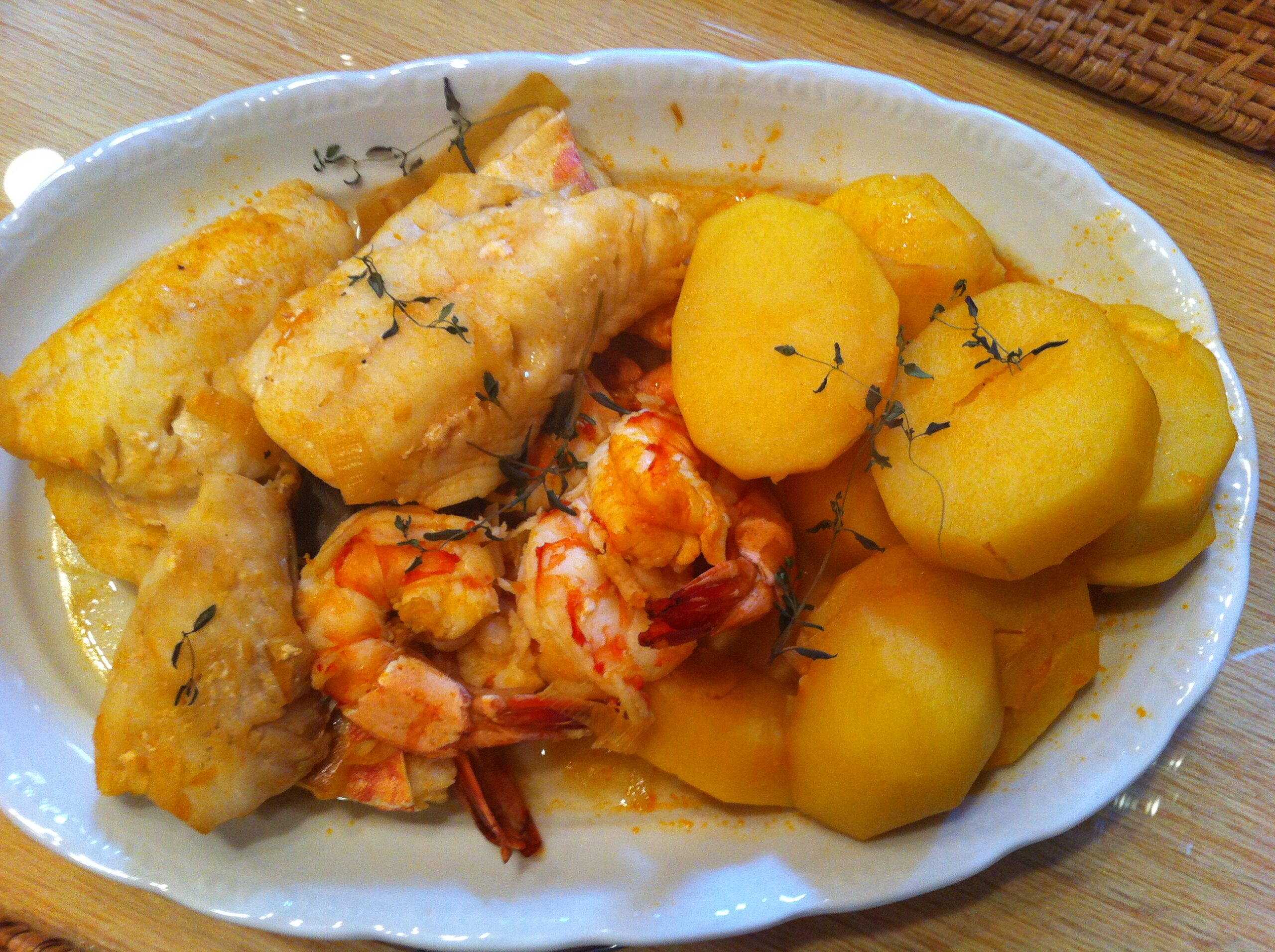
    Bouillabaisse recipe is a traditional French seafood stew made with fish, shrimp, shellfish, saffron, tomatoes, and aromatic herbs. This Bouillabaisse recipe creates a flavorful broth and tender seafood while keeping the preparation simple and approachable for home cooking.

    This Bouillabaisse recipe focuses on fresh seafood, balanced seasoning, and proper cooking technique to create a rich yet light French seafood dish.


    Table of Contents

    • Ingredients
    • How to Make Bouillabaisse Recipe
    • Pro Tips for Best Results
    • Serving Suggestions for Bouillabaisse
    • Nutritional Information
    • Frequently Asked Questions


    Why This Bouillabaisse Recipe Works

    This Bouillabaisse recipe is designed to create deep seafood flavor with balanced texture.

    • Saffron adds classic French flavor
    • Seafood cooks gently for tender texture
    • Tomatoes and herbs build depth
    • Light broth keeps the dish balanced


    Ingredients

    For the Broth

    • 2 tablespoons olive oil
    • 1 onion, chopped
    • 3 garlic cloves, minced
    • 2 tomatoes, chopped
    • 1 teaspoon fennel seeds (optional)
    • 1 teaspoon paprika
    • Pinch of saffron
    • 1 bay leaf
    • 4 cups fish stock or water
    • Salt and pepper

    For the Seafood

    • 300 grams white fish, cut into chunks
    • 200 grams shrimp
    • 200 grams mussels or clams

    For Serving

    • Crusty bread
    • Fresh parsley
    • Lemon wedges


    How to Make Bouillabaisse Recipe

    Step 1: Prepare the Base

    Heat olive oil in a large pot.

    Cook onion until softened.

    Add garlic and cook briefly.

    Step 2: Build the Broth

    Add tomatoes, fennel, paprika, saffron, and bay leaf.

    Pour in fish stock.

    Simmer for 15–20 minutes.

    Step 3: Add the Fish

    Add fish chunks and simmer gently for about 5 minutes.

    Step 4: Add Remaining Seafood

    Add shrimp and shellfish.

    Cover and cook until shrimp are pink and shellfish open.

    Step 5: Finish

    Remove bay leaf.

    Adjust seasoning and garnish with parsley.

    Step 6: Serve

    Serve hot with bread and lemon wedges.


    Pro Tips for Best Results

    • Use fresh seafood whenever possible
    • Avoid overcooking shellfish
    • Use saffron for authentic flavor
    • Simmer gently instead of boiling


    Serving Suggestions for Bouillabaisse

    Serve with:

    • Crusty bread
    • Rouille sauce
    • Salad
    • Roasted vegetables

    This Bouillabaisse recipe pairs well with dishes like this Moules Marinières for a French seafood-inspired meal.


    Nutritional Information (Approx. per serving)

    Calories: 300–380 kcal
    Protein: 25–30g
    Carbohydrates: 10–15g
    Fat: 12–15g
    Fiber: 2–3g
    Sodium: Moderate


    Storage and Reheating

    Store in the refrigerator for up to 1 day.

    For best results:

    • Reheat gently on low heat
    • Avoid overcooking seafood during reheating
    • Serve fresh whenever possible


    Frequently Asked Questions

    Can I make it without saffron?

    Yes, but saffron provides the traditional flavor and color.

    What fish works best?

    Firm white fish like cod, snapper, or sea bass works well.


    How to Build Flavorful Seafood Broth

    This Bouillabaisse recipe depends on layering flavor into the broth.

    Cooking onions, garlic, tomatoes, and herbs first helps create a strong flavor base before adding liquid. Saffron adds aroma and color while fish stock enhances seafood flavor.

    Allowing the broth to simmer before adding seafood helps the flavors blend together naturally.

    Using multiple types of seafood creates a more complex and balanced result.


    How to Cook Seafood Without Overcooking

    The key to this Bouillabaisse recipe is cooking seafood gently and in stages.

    Firm fish should be added first because it requires more cooking time. Shrimp and shellfish cook quickly and should be added later to prevent rubbery texture.

    Shellfish are done once they open. Any unopened shellfish should be discarded.

    Keeping the broth at a gentle simmer instead of a rolling boil helps preserve texture and flavor.


    Variations You Can Try

    • Add scallops
    • Use crab or lobster
    • Add fennel bulb
    • Serve with garlic aioli


    Common Mistakes to Avoid

    • Overcooking seafood
    • Boiling aggressively
    • Skipping saffron
    • Using weak stock


    Make-Ahead and Storage Tips

    This Bouillabaisse recipe is best served fresh.

    • Prepare broth ahead of time
    • Add seafood just before serving
    • Store leftovers up to 1 day
    • Reheat slowly to avoid overcooking


    How to Turn This Into a Complete Meal

    This Bouillabaisse recipe can easily become a full seafood dinner.

    Serve it with bread, salad, or roasted vegetables for a balanced meal. Garlic sauce or rouille can also add extra richness and flavor.

    This dish works well for gatherings, dinner parties, or special occasions because of its elegant presentation and rich flavor.


    Final Thoughts

    This Bouillabaisse recipe is flavorful, elegant, and deeply comforting, making it one of the most iconic seafood dishes in French cuisine.


    Related Recipes You’ll Love

    – Moules Marinières
    – Coq au Vin
    – New England Baked Haddock


    Explore More Easy Dinner Recipes

    Discover more quick and simple meal ideas for any night:

    – Easy Dinner Recipes


    Author Note

    Dinners Recipe Team shares simple, reliable recipes designed for home cooks. Our goal is to make cooking easier while delivering flavorful, satisfying meals.


    Image Credit

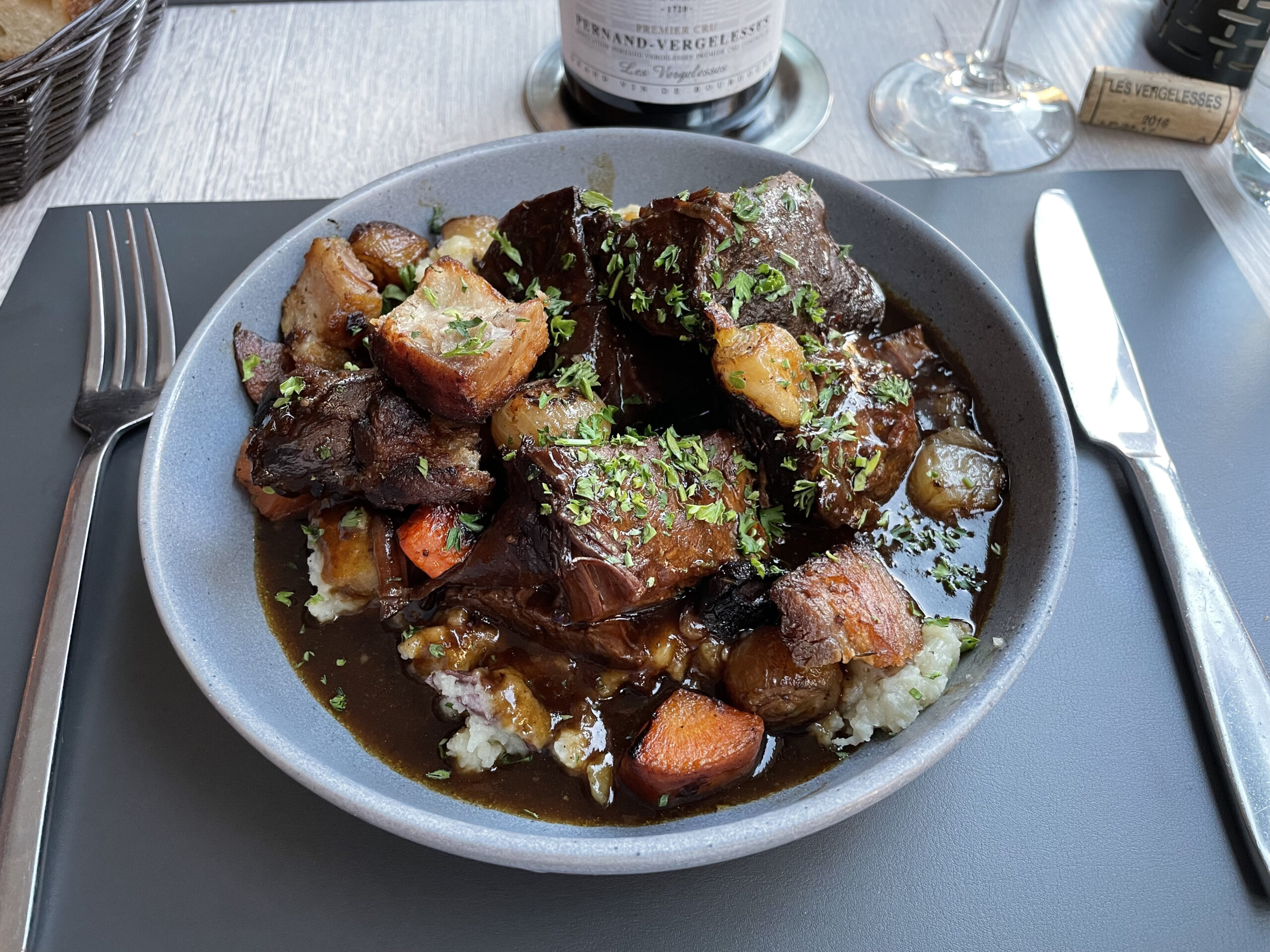
    Bouillabaisse” by Thierry Caro is licensed under CC BY-SA 4.0. https://creativecommons.org
  • Boeuf Bourguignon Recipe

    Boeuf Bourguignon Recipe

    Boeuf bourguignon recipe is a classic French beef stew made with red wine, vegetables, and herbs. This boeuf bourguignon recipe uses slow cooking to transform tougher cuts of beef into tender pieces while creating a rich, flavorful sauce.

    This boeuf bourguignon recipe simplifies the traditional method while keeping the depth and texture that make the dish popular for comforting meals. This dish is a well-known example of French cuisine, recognized for its rich flavors and slow-cooking techniques.


    Table of Contents

    • Ingredients
    • How to Make Boeuf Bourguignon Recipe
    • Pro Tips for Best Results
    • Serving Suggestions for Boeuf Bourguignon
    • Nutritional Information
    • Frequently Asked Questions


    Why This Boeuf Bourguignon Recipe Works

    This boeuf bourguignon recipe is designed to build deep flavor while keeping the beef tender.

    • Slow cooking makes the beef tender
    • Browning adds deep flavor
    • Wine and stock create a rich base
    • Simple ingredients build complexity


    Ingredients

    For the Beef

    • 750 g beef (chuck or stew meat)
    • Salt and pepper
    • 2 tablespoons flour

    For the Stew

    • 2 tablespoons butter
    • 1 tablespoon olive oil
    • 100 g bacon
    • Onions, garlic, carrots
    • Mushrooms
    • 2 cups red wine
    • 1 cup beef stock
    • 1 tablespoon tomato paste
    • Thyme and bay leaf


    How to Make Boeuf Bourguignon Recipe at Home

    Step 1: Prepare Beef

    Season and lightly coat with flour.

    Step 2: Brown

    Cook in batches until browned.

    Step 3: Cook Base

    Cook bacon, then vegetables.

    Step 4: Build Sauce

    Add tomato paste, wine, and stock.

    Step 5: Simmer

    Cook for 2–2.5 hours until tender.

    Step 6: Finish

    Adjust seasoning and serve.


    Pro Tips for Best Results

    • Brown meat properly
    • Use a good-quality wine
    • Simmer slowly for best texture


    Serving Suggestions for Boeuf Bourguignon

    This boeuf bourguignon recipe pairs well with comforting dishes like this Classic American Meatloaf for a complete meal plan.

    Serve with:

    • Mashed potatoes
    • Bread
    • Noodles

    This boeuf bourguignon recipe pairs well with simple sides that absorb the rich sauce.


    Nutritional Information (Approx. per serving)

    Calories: 450–550 kcal
    Protein: 30–35g
    Carbohydrates: 15–20g
    Fat: 25–30g
    Sodium: Moderate


    Storage and Reheating

    Store in the refrigerator for up to 3 days.

    For best results:

    • Reheat slowly on the stove
    • Add a small amount of stock if needed


    Frequently Asked Questions

    Can I skip wine?

    Yes, but the flavor will differ.

    What is the best cut of beef?

    Chuck or stew meat works best.


    Choosing the Right Cut of Beef

    The success of this boeuf bourguignon recipe depends on the cut of beef.

    Tougher cuts like chuck or brisket work best because they become tender during slow cooking. Lean cuts are not ideal as they can become dry.

    Cutting the beef evenly helps ensure consistent cooking.


    How to Build Deep Flavor

    Flavor develops in layers in this boeuf bourguignon recipe.

    Browning the beef creates a rich base. Cooking vegetables in the same pot helps absorb those flavors. Deglazing with wine incorporates everything into the sauce.

    Using a good-quality red wine improves the final taste.


    Variations You Can Try

    • Add more mushrooms for texture
    • Reduce butter for a lighter version
    • Use a slow cooker after browning


    Common Mistakes to Avoid

    • Skipping the browning step
    • Cooking at high heat
    • Adding too much liquid
    • Not letting the dish rest


    Make-Ahead and Storage Tips

    This boeuf bourguignon recipe is ideal for making ahead.

    • Prepare a day in advance
    • Store up to 3 days
    • Reheat slowly for best results


    Final Thoughts

    This boeuf bourguignon recipe is a rich and reliable dish that delivers deep flavor with simple techniques.


    Related Recipes You’ll Love

    – Classic American Meatloaf
    – Mongolian Beef
    – Southern Fried Chicken


    Explore More Easy Dinner Recipes

    Discover more quick and simple meal ideas for any night:

    – Easy Dinner Recipes


    Author Note

    Dinners Recipe Team shares simple, reliable recipes designed for home cooks. Our goal is to make cooking easier while delivering flavorful, satisfying meals.


    Image Credit

    Boeuf Bourguignon 2022 by ZhengZhou is licensed under CC BY-SA 4.0. https://creativecommons.org
  • Coq au Vin Recipe – Classic French Chicken in Red Wine

    Coq au Vin Recipe – Classic French Chicken in Red Wine

    Coq au Vin recipe is a traditional French dish made with chicken slowly braised in red wine with mushrooms, onions, bacon, and herbs. This Coq au Vin recipe creates tender chicken and a rich sauce through slow simmering and balanced flavors.

    This Coq au Vin recipe focuses on classic French cuisine cooking techniques to create a rustic yet elegant meal that works well for family dinners or special occasions.


    Table of Contents

    • Ingredients
    • How to Make Coq au Vin Recipe
    • Pro Tips for Best Results
    • Serving Suggestions for Coq au Vin
    • Nutritional Information
    • Frequently Asked Questions


    Why This Coq au Vin Recipe Works

    This Coq au Vin recipe is designed to create deep flavor and tender chicken.

    • Slow cooking develops rich flavor
    • Red wine creates depth and balance
    • Bacon adds savory richness
    • Mushrooms and herbs enhance the sauce


    Ingredients

    For the Chicken

    • 750 grams chicken, bone-in preferred
    • Salt and black pepper
    • 2 tablespoons flour

    For the Sauce

    • 2 tablespoons butter
    • 1 tablespoon olive oil
    • 100 grams bacon, chopped
    • 1 onion, sliced
    • 2–3 garlic cloves, minced
    • 200 grams mushrooms, halved
    • 2 cups dry red wine
    • 1 cup chicken stock
    • 1 tablespoon tomato paste
    • 1 teaspoon thyme
    • 1 bay leaf
    • 1 teaspoon sugar (optional)

    For Garnish

    • Fresh parsley


    How to Make Coq au Vin Recipe

    Step 1: Prepare the Chicken

    Season chicken with salt and pepper.

    Lightly coat with flour.

    Step 2: Brown the Chicken

    Heat butter and olive oil.

    Brown chicken on all sides and remove.

    Step 3: Cook Bacon and Vegetables

    Cook bacon until crisp.

    Add onions, garlic, and mushrooms.

    Cook until softened.

    Step 4: Build the Sauce

    Add tomato paste.

    Pour in red wine and stock.

    Add thyme and bay leaf.

    Step 5: Simmer

    Return chicken to the pot.

    Cover and simmer for 35–45 minutes until tender.

    Step 6: Serve

    Adjust seasoning, garnish with parsley, and serve hot.


    Pro Tips for Best Results

    • Use dry red wine for balanced flavor
    • Brown chicken thoroughly
    • Simmer slowly for tender texture
    • Bone-in chicken provides more flavor


    Serving Suggestions for Coq au Vin

    Serve with:

    • Mashed potatoes
    • Buttered noodles
    • Crusty bread
    • Roasted vegetables

    This Coq au Vin recipe pairs well with dishes like this Lamb Navarin for a complete French-inspired meal.


    Nutritional Information (Approx. per serving)

    Calories: 480–550 kcal
    Protein: 30–35g
    Carbohydrates: 10–15g
    Fat: 25–30g
    Fiber: 2–3g
    Sodium: Moderate


    Storage and Reheating

    Store in the refrigerator for up to 3–4 days.

    For best results:

    • Reheat slowly on the stove
    • Add a splash of stock if needed
    • Avoid boiling during reheating


    Frequently Asked Questions

    Can I make it without wine?

    Yes, but traditional flavor depends heavily on wine.

    Which wine works best?

    Dry red wines like Burgundy or Pinot Noir work well.


    How to Build Rich Flavor in Coq au Vin

    This Coq au Vin recipe depends on layering flavor through proper cooking techniques.

    Browning the chicken first creates caramelization that enhances the sauce. Cooking bacon and vegetables in the same pot builds additional depth.

    Red wine provides acidity and richness while slowly reducing during simmering. The combination of stock, herbs, and vegetables balances the dish without overpowering the chicken.

    Allowing the dish to simmer gently helps all the flavors blend together into a smooth, savory sauce.


    How to Keep Braised Chicken Tender

    The key to this Coq au Vin recipe is slow cooking at moderate heat.

    Cooking the chicken too aggressively can make the meat tough. Gentle simmering allows the chicken to become tender while absorbing flavor from the sauce.

    Bone-in chicken helps retain moisture and improves texture during longer cooking times.

    Resting the dish briefly before serving also helps the sauce settle and deepen in flavor.


    Variations You Can Try

    • Add pearl onions
    • Use different mushrooms
    • Add carrots for sweetness
    • Finish with butter for richness


    Common Mistakes to Avoid

    • Using overly sweet wine
    • Boiling instead of simmering
    • Skipping browning steps
    • Overcooking mushrooms


    Make-Ahead and Storage Tips

    This Coq au Vin recipe tastes even better the next day.

    • Prepare ahead for deeper flavor
    • Store leftovers up to 4 days
    • Freeze for up to 2 months
    • Reheat gently before serving


    How to Turn This Into a Complete Meal

    This Coq au Vin recipe can easily become a full dinner.

    Serve it with potatoes, noodles, or bread to soak up the sauce. Adding vegetables or a simple salad helps balance the richness of the dish.

    This also works well for gatherings, holidays, or special dinners because it can be prepared in advance.


    Final Thoughts

    This Coq au Vin recipe is rich, comforting, and deeply flavorful, making it one of the most iconic dishes in French home cooking.


    Related Recipes You’ll Love

    – Lamb Navarin
    – Cassoulet
    – Poulet Rôti


    Explore More Chicken Dinner Recipes

    Discover more easy and flavorful chicken dinner ideas below:

    – Chicken Dinner Recipes


    Explore More Easy Dinner Recipes

    Discover more quick and simple meal ideas for any night:

    – Easy Dinner Recipes


    Author Note

    Dinners Recipe Team shares simple, reliable recipes designed for home cooks. Our goal is to make cooking easier while delivering flavorful, satisfying meals.


    Image Credit

    Coq au vin rouge” by Timo Arnall is licensed under CC BY-SA 2.0. https://creativecommons.org