Category: Japanese

Japanese dinner recipes combine simple ingredients with balanced flavors and careful cooking techniques. This category features a variety of traditional and inspired Japanese meals including crispy katsu, comforting curry dishes, savory noodle recipes, and flavorful seafood options.

These Japanese recipes focus on creating restaurant-style meals at home while keeping preparation approachable for everyday cooking. From classic comfort foods like Chicken Katsu Curry and Tonkatsu to lighter seafood dishes and rice-based meals, each recipe is designed to deliver authentic flavor with practical cooking methods.

Whether you are looking for quick weeknight dinners or traditional Japanese-inspired dishes, this category offers a wide range of flavorful and satisfying meal ideas.

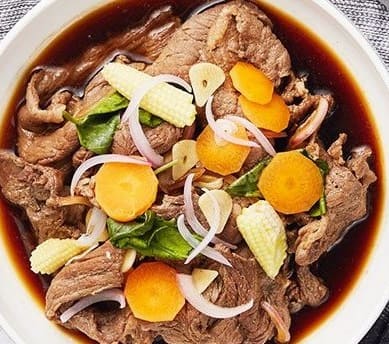
  • Beef Sukiyaki Recipe

    Beef Sukiyaki Recipe

    Beef sukiyaki recipe is a traditional Japanese hot pot dish made with thinly sliced beef, vegetables, tofu, and noodles simmered in a sweet and savory soy-based broth. This beef sukiyaki recipe delivers a rich, comforting flavor while offering a balanced combination of textures and ingredients.

    This dish is a staple in Japanese cuisine and is often enjoyed as a shared meal, especially during colder months. Sukiyaki stands out for its interactive cooking style, where ingredients are gently simmered and served directly from the pot.

    Learn more about Sukiyaki

    This beef sukiyaki recipe focuses on proper ingredient preparation, balanced broth, and gentle simmering to achieve consistent, authentic results.


    Table of Contents

    • Ingredients
    • How to Make Beef Sukiyaki Recipe
    • Pro Tips for Best Results
    • Serving Suggestions for Beef Sukiyaki
    • Nutritional Information
    • Frequently Asked Questions


    Why This Beef Sukiyaki Recipe Works

    This beef sukiyaki recipe is designed to create a rich and balanced dish.

    • Thinly sliced beef cooks quickly and stays tender
    • Sweet-savory broth builds deep flavor
    • Variety of ingredients adds texture
    • Simmering method enhances consistency


    Ingredients

    For the Broth (Sukiyaki Sauce)

    • ½ cup soy sauce
    • ¼ cup sugar
    • ¼ cup mirin
    • ½ cup water or dashi stock

    For Main Ingredients

    • 300–400 grams thinly sliced beef (ribeye or sirloin)
    • 1 block firm tofu (cubed)
    • 1 cup napa cabbage (chopped)
    • 1 onion (sliced)
    • 1 cup mushrooms (shiitake or button)
    • 1 cup shirataki noodles (or glass noodles)
    • 2–3 spring onions (cut into lengths)

    Optional

    • 2–3 eggs (for dipping)


    How to Make Beef Sukiyaki Recipe

    Step 1: Prepare the Sauce

    Mix soy sauce, sugar, mirin, and water (or dashi) until sugar dissolves.

    Step 2: Heat the Pan

    Use a wide pan or shallow pot over medium heat.

    Step 3: Cook the Beef

    Lightly sear beef slices until just browned. Sprinkle a small amount of sugar for caramelization.

    Step 4: Add Ingredients

    Add cabbage, onions, mushrooms, tofu, and noodles.

    Step 5: Simmer

    Pour sauce over ingredients and simmer gently for 5–10 minutes.

    Step 6: Serve

    Serve hot directly from the pan.


    Pro Tips for Best Results

    • Use very thinly sliced beef
    • Do not overcook the beef
    • Adjust sweetness to taste
    • Use dashi for deeper flavor
    • Add ingredients in stages for best texture


    Serving Suggestions for Beef Sukiyaki

    Serve with:

    • Steamed rice
    • Raw beaten egg (optional, traditional)
    • Pickled vegetables
    • Light side dishes

    This beef sukiyaki recipe pairs well with dishes like Tonkatsu or Karaage for a complete Japanese-style meal.


    Nutritional Information (Approx. per serving)

    Calories: 400–500 kcal
    Protein: 25–30g
    Carbohydrates: 20–25g
    Fat: 20–25g
    Sodium: Moderate


    Storage and Reheating

    Store in the refrigerator for up to 2 days.

    For best results:

    • Reheat gently on stovetop
    • Avoid overcooking when reheating
    • Add a little water if needed


    Frequently Asked Questions

    What cut of beef is best?

    Ribeye or sirloin works best due to tenderness.

    Can I make it without mirin?

    Yes, substitute with sugar and a small amount of water or mild vinegar.

    Is raw egg safe?

    Use pasteurized eggs if consuming raw, or skip if preferred.

    Can I make it vegetarian?

    Yes, use tofu, mushrooms, and vegetables instead of beef.


    How to Build a Flavorful Sukiyaki Broth

    This beef sukiyaki recipe relies on balancing sweet and savory elements.

    Soy sauce provides saltiness, while sugar and mirin add sweetness. Simmering ingredients together allows flavors to blend naturally.

    Using dashi enhances umami and depth.


    How to Keep Beef Tender

    The key to this beef sukiyaki recipe is gentle cooking.

    Thin slices cook quickly, so avoid overcooking. Adding beef in batches helps maintain texture and prevents toughness.

    Simmering at low heat ensures consistent results.


    Variations You Can Try

    • Add more vegetables
    • Use different mushrooms
    • Try seafood instead of beef
    • Adjust sweetness level


    Common Mistakes to Avoid

    • Overcooking beef
    • Using thick meat slices
    • Adding too much liquid
    • Cooking at high heat


    Make-Ahead and Storage Tips

    This beef sukiyaki recipe works well for preparation.

    • Slice ingredients ahead of time
    • Prepare sauce in advance
    • Store leftovers properly


    How to Turn This Into a Complete Meal

    This beef sukiyaki recipe can easily become a full meal.

    Serve with rice, vegetables, and light sides for a balanced and satisfying dining experience.


    Final Thoughts

    This beef sukiyaki recipe is rich, comforting, and easy to prepare, making it a great option for both everyday meals and special occasions.


    Related Recipes You’ll Love

    – Tonkatsu
    – Karaage
    – Chicken Katsu Curry


    Explore More Dinner Recipes

    – Easy Dinner Recipes


    Author Note

    Dinners Recipe Team shares simple, reliable recipes designed for home cooks. Our goal is to make cooking easier while delivering flavorful, satisfying meals.
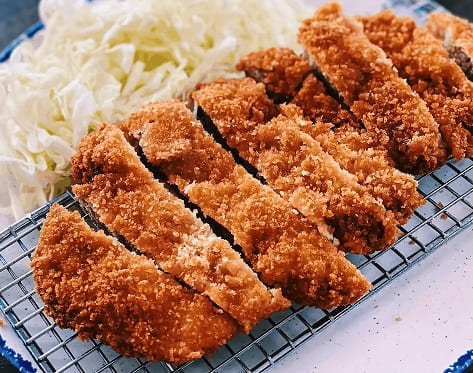
  • Tonkatsu Recipe

    Tonkatsu Recipe

    Tonkatsu recipe is a classic Japanese dish made with a breaded and deep-fried pork cutlet that is crispy on the outside and juicy on the inside. This tonkatsu recipe delivers a perfectly balanced texture with a light, crunchy coating and tender meat.

    This dish is a staple in Japanese cuisine and is commonly served with shredded cabbage, rice, and a tangy-sweet sauce. Inspired by Western-style cutlets, tonkatsu has evolved into a unique Japanese favorite known for its signature panko crust.

    Learn more about Tonkatsu

    This tonkatsu recipe focuses on proper breading, frying temperature, and resting technique to achieve consistent, high-quality results.


    Table of Contents

    • Ingredients
    • How to Make Tonkatsu Recipe
    • Pro Tips for Best Results
    • Serving Suggestions for Tonkatsu
    • Nutritional Information
    • Frequently Asked Questions


    Why This Tonkatsu Recipe Works

    This tonkatsu recipe is designed to create a crispy, flavorful result.

    • Panko breadcrumbs create a light crunch
    • Proper frying ensures even cooking
    • Pork stays juicy and tender
    • Balanced seasoning enhances flavor


    Ingredients

    For Pork Cutlet

    • 2 boneless pork chops (about 1 inch thick)
    • Salt and black pepper
    • ½ cup all-purpose flour
    • 1–2 eggs (beaten)
    • 1 cup panko breadcrumbs
    • Oil for deep frying

    For Tonkatsu Sauce

    • 3 tablespoons ketchup
    • 2 tablespoons Worcestershire sauce
    • 1 tablespoon soy sauce
    • 1 tablespoon sugar
    • 1 teaspoon mustard (optional)

    For Serving

    • Shredded cabbage
    • Steamed rice
    • Lemon wedges


    How to Make Tonkatsu Recipe

    Step 1: Prepare the Pork

    Pound pork chops to even thickness. Make small cuts along edges and season with salt and pepper.

    Step 2: Set Up Breading

    Prepare three bowls: flour, eggs, and panko breadcrumbs.

    Step 3: Coat the Pork

    Dredge in flour, dip in egg, then coat with panko. Press gently to adhere.

    Step 4: Fry the Cutlet

    Heat oil to 170–180°C (340–350°F). Fry for 4–5 minutes per side until golden and cooked through.

    Step 5: Rest

    Drain on paper towels and let rest briefly.

    Step 6: Slice and Serve

    Slice into strips and serve with cabbage, rice, and sauce.


    Pro Tips for Best Results

    • Use panko breadcrumbs for best texture
    • Maintain proper oil temperature
    • Do not overcrowd the pan
    • Rest before slicing
    • Use a thermometer for accuracy


    Serving Suggestions for Tonkatsu

    Serve with:

    • Steamed rice
    • Shredded cabbage
    • Tonkatsu sauce
    • Lemon wedges

    This tonkatsu recipe pairs well with dishes like Chicken Katsu Curry for a complete Japanese-style meal.


    Nutritional Information (Approx. per serving)

    Calories: 450–550 kcal
    Protein: 25–30g
    Carbohydrates: 30–35g
    Fat: 25–30g
    Fiber: 2–3g


    Storage and Reheating

    Store in the refrigerator for up to 2 days.

    For best results:

    • Reheat in oven or air fryer
    • Avoid microwaving to maintain crispness


    Frequently Asked Questions

    Can I use chicken instead of pork?

    Yes, it becomes chicken katsu using the same method.

    What is panko?

    Panko is a Japanese breadcrumb that creates a lighter, crispier coating.

    Can I bake tonkatsu?

    Yes, but deep frying gives the best texture.

    How do I keep it crispy?

    Serve immediately and avoid covering.


    How to Get a Crispy Tonkatsu Coating

    This tonkatsu recipe depends on proper coating and frying technique.

    Using panko breadcrumbs creates a light and airy crust. Maintaining oil temperature ensures even cooking without excessive oil absorption.

    Letting the cutlet rest helps preserve crispness.


    How to Keep Pork Juicy Inside

    The key to this tonkatsu recipe is balancing crispness with moisture.

    Pounding the pork ensures even cooking. Frying at the correct temperature prevents drying out.

    Resting after cooking helps retain juices.


    Variations You Can Try

    • Use chicken instead of pork
    • Make katsu sandwiches
    • Serve over rice (katsudon)
    • Add spicy sauce variations


    Common Mistakes to Avoid

    • Using incorrect oil temperature
    • Overcrowding the pan
    • Skipping resting step
    • Not pressing coating properly


    Make-Ahead and Storage Tips

    This tonkatsu recipe is suitable for meal prep.

    • Bread cutlets ahead of time
    • Store cooked cutlets up to 2 days
    • Reheat properly for best texture


    How to Turn This Into a Complete Meal

    This tonkatsu recipe can easily become a full meal.

    Serve with rice, vegetables, and soup for a balanced plate. Adding simple sides enhances both flavor and presentation.


    Final Thoughts

    This tonkatsu recipe is crispy, flavorful, and easy to prepare, making it a reliable option for both everyday meals and special occasions.


    Related Recipes You’ll Love

    – Chicken Katsu Curry
    – Karaage
    – Teriyaki Chicken


    Explore More Easy Dinner Recipes

    – Easy Dinner Recipes


    Author Note

    Dinners Recipe Team shares simple, reliable recipes designed for home cooks. Our goal is to make cooking easier while delivering flavorful, satisfying meals.
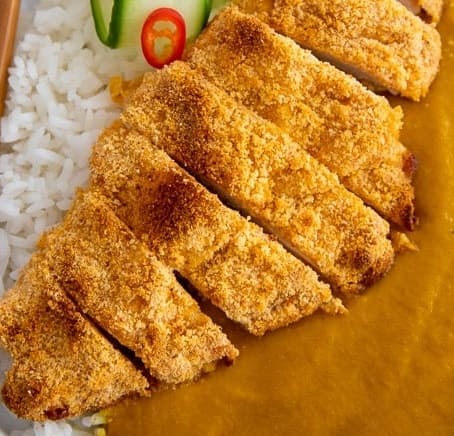
  • Chicken Katsu Curry Recipe

    Chicken Katsu Curry Recipe

    Chicken katsu curry recipe is a popular Japanese comfort dish that combines crispy breaded chicken, fluffy rice, and a rich, mildly spiced curry sauce. This chicken katsu curry recipe delivers a perfect balance of textures, crispy exterior, tender chicken, and smooth, savory curry.

    This dish is widely enjoyed in Japanese cuisine and is commonly served in both restaurants and home kitchens. Unlike other curries, Japanese curry is thicker, slightly sweet, and less spicy, making it approachable for a wide range of tastes.

    Learn more about Japanese curry

    This chicken katsu curry recipe focuses on proper breading, frying technique, and curry preparation to achieve consistent, high-quality results.


    Table of Contents

    • Ingredients
    • How to Make Chicken Katsu Curry Recipe
    • Pro Tips for Best Results
    • Serving Suggestions for Chicken Katsu Curry
    • Nutritional Information
    • Frequently Asked Questions


    Why This Chicken Katsu Curry Recipe Works

    This chicken katsu curry recipe is designed to create a crispy, flavorful result.

    • Panko coating creates a crisp texture
    • Curry sauce adds rich, savory flavor
    • Balanced textures enhance the dish
    • Chicken remains tender and juicy


    Ingredients

    For Chicken Katsu

    • 2 boneless chicken breasts
    • Salt and black pepper
    • ½ cup all-purpose flour
    • 2 eggs (beaten)
    • 1 cup panko breadcrumbs
    • Oil for frying

    For Curry Sauce

    • 1 tablespoon oil
    • 1 onion (chopped)
    • 1 carrot (chopped)
    • 1 potato (cubed)
    • 2 cups water or chicken stock
    • 2–3 Japanese curry cubes

    For Serving

    • Steamed rice
    • Pickled vegetables (optional)


    How to Make Chicken Katsu Curry Recipe

    Step 1: Prepare the Chicken

    Pound chicken to even thickness and season with salt and pepper.

    Step 2: Bread the Chicken

    Coat chicken in flour, dip in egg, then coat with panko breadcrumbs.

    Step 3: Fry the Chicken

    Heat oil to 170–180°C (340–350°F). Fry for 4–5 minutes per side until golden and cooked through. Rest before slicing.

    Step 4: Cook the Curry Base

    Sauté onions until soft. Add carrots and potatoes and cook briefly.

    Step 5: Simmer

    Add water or stock and simmer until vegetables are tender.

    Step 6: Add Curry Cubes

    Turn off heat, add curry cubes, then simmer on low until sauce thickens.

    Step 7: Assemble

    Serve rice topped with curry and sliced chicken katsu.


    Pro Tips for Best Results

    • Use panko for crisp texture
    • Do not overcrowd frying oil
    • Let chicken rest before slicing
    • Adjust curry thickness as needed
    • Use a thermometer for accurate frying


    Serving Suggestions for Chicken Katsu Curry

    Serve with:

    • Steamed rice
    • Pickled vegetables
    • Simple salad
    • Miso soup

    This chicken katsu curry recipe pairs well with dishes like Karaage for a complete Japanese-style meal.


    Nutritional Information (Approx. per serving)

    Calories: 600–700 kcal
    Protein: 30–35g
    Carbohydrates: 70–80g
    Fat: 20–25g
    Sodium: Moderate


    Storage and Reheating

    Store in the refrigerator for up to 2 days.

    For best results:

    • Store curry and chicken separately
    • Reheat curry on stove
    • Reheat chicken in oven or air fryer


    Frequently Asked Questions

    Can I use chicken thighs?

    Yes, they are juicier and work well.

    What are curry cubes?

    They are pre-made seasoning blocks used to create Japanese curry quickly.

    Is Japanese curry spicy?

    It is usually mild and slightly sweet.

    Can I make it vegetarian?

    Yes, replace chicken with tofu or vegetables.


    How to Get Crispy Chicken Katsu

    This chicken katsu curry recipe relies on proper coating and frying.

    Using panko breadcrumbs creates a light and crispy texture. Maintaining correct oil temperature ensures even cooking without excess oil absorption.

    Letting the chicken rest after frying helps maintain crispiness.


    How to Make a Smooth Curry Sauce

    The curry sauce is essential to this chicken katsu curry recipe.

    Simmering vegetables slowly helps develop flavor. Adding curry cubes off heat ensures proper dissolving and smooth consistency.

    Adjusting liquid levels helps control thickness.


    Variations You Can Try

    • Use pork instead of chicken
    • Add extra vegetables
    • Make a spicier curry version
    • Use air fryer for lighter option


    Common Mistakes to Avoid

    • Overcrowding the fryer
    • Using oil that is too hot or too cold
    • Not resting the chicken
    • Over-thickening the curry


    Make-Ahead and Storage Tips

    This chicken katsu curry recipe is great for meal prep.

    • Prepare curry in advance
    • Store components separately
    • Reheat properly for best results


    How to Turn This Into a Complete Meal

    This chicken katsu curry recipe can easily become a full meal.

    Serve with rice, vegetables, and soup to create a balanced plate. Adding sides improves both nutrition and presentation.


    Final Thoughts

    This chicken katsu curry recipe is crispy, comforting, and easy to prepare, making it a reliable option for both everyday meals and special occasions.


    Related Recipes You’ll Love

    – Karaage
    – Teriyaki Chicken
    – Chicken and Broccoli Stir Fry
    – Shrimp Fried Rice
    – Beef and Broccoli


    Explore More Chicken Dinner Recipes

    – Chicken Dinner Recipes


    Explore More Easy Dinner Recipes

    – Easy Dinner Recipes


    Author Note

    Dinners Recipe Team shares simple, reliable recipes designed for home cooks. Our goal is to make cooking easier while delivering flavorful, satisfying meals.
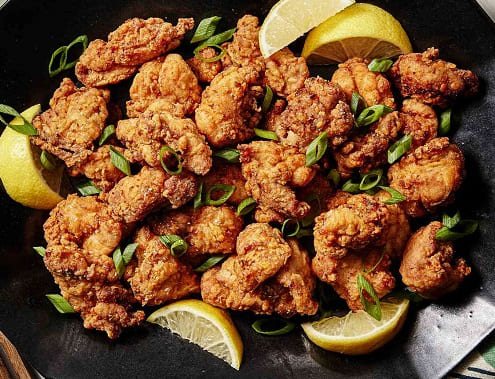
  • Karaage Recipe

    Karaage Recipe

    Karaage recipe is a popular Japanese fried chicken dish known for its bold flavor and ultra-crispy texture. This karaage recipe uses bite-sized chicken pieces marinated in soy sauce, garlic, and ginger, then lightly coated and fried to perfection for a juicy interior and crunchy exterior.

    This dish is a staple in Japanese cuisine, commonly served as a snack, appetizer, or part of a full meal with rice and cabbage. Unlike traditional fried chicken, karaage uses a lighter coating—typically cornstarch or potato starch—which creates a delicate, crisp finish.

    This karaage recipe focuses on proper marination, coating, and double-frying technique to achieve consistent, restaurant-quality results at home.


    Table of Contents

    • Ingredients
    • How to Make Karaage Recipe
    • Pro Tips for Best Results
    • Serving Suggestions for Karaage
    • Nutritional Information
    • Frequently Asked Questions


    Why This Karaage Recipe Works

    This karaage recipe is designed to deliver authentic flavor and texture.

    • Soy sauce and aromatics create deep flavor
    • Cornstarch coating produces a light crisp texture
    • Double frying ensures extra crunch
    • Chicken stays juicy and tender inside


    Ingredients

    For the Chicken Marinade

    • 500 grams boneless chicken thighs (bite-sized pieces)
    • 2 tablespoons soy sauce
    • 1 tablespoon ginger (grated)
    • 3 cloves garlic (minced)
    • 1 tablespoon rice vinegar or lemon juice
    • 1 teaspoon sugar
    • ½ teaspoon black pepper

    For the Coating

    • ½ cup cornstarch (or potato starch for authentic texture)
    • 2 tablespoons all-purpose flour (optional)

    For Frying

    • Oil for deep frying

    For Serving

    • Lemon wedges
    • Mayonnaise (Japanese mayo preferred)
    • Shredded cabbage


    How to Make Karaage Recipe

    Step 1: Marinate the Chicken

    Combine soy sauce, ginger, garlic, vinegar, sugar, and black pepper. Add chicken and mix well. Marinate for at least 30 minutes (up to 2 hours for deeper flavor).

    Step 2: Prepare Coating

    Place cornstarch (and flour if using) in a bowl. Coat each piece of marinated chicken evenly and shake off excess.

    Step 3: Heat Oil

    Heat oil to about 170°C (340°F). Maintain medium heat to ensure even cooking.

    Step 4: First Fry

    Fry chicken in batches for 3–4 minutes until lightly golden. Remove and rest for a few minutes.

    Step 5: Second Fry

    Increase oil temperature slightly and fry again for 1–2 minutes until deep golden and crispy.

    Step 6: Serve

    Drain on paper towels and serve hot.


    Pro Tips for Best Results

    • Use chicken thighs for better juiciness
    • Double fry for maximum crispiness
    • Avoid overcrowding the pan
    • Use potato starch for authentic texture
    • Do not over-marinate


    Serving Suggestions for Karaage

    Serve with:

    • Steamed rice
    • Shredded cabbage
    • Lemon wedges
    • Japanese mayonnaise

    This karaage recipe pairs well with dishes like Chicken Teriyaki for a complete Japanese-style meal.


    Nutritional Information (Approx. per serving)

    Calories: 350–400 kcal
    Protein: 25–28g
    Carbohydrates: 15–18g
    Fat: 20–25g
    Sodium: Moderate


    Storage and Reheating

    Store in the refrigerator for up to 2 days.

    For best results:

    • Reheat in oven or air fryer
    • Avoid microwaving to maintain crispness


    Frequently Asked Questions

    What makes karaage different from fried chicken?

    Karaage uses a marinade and lighter coating, resulting in a crispier and more flavorful texture.

    Can I use chicken breast?

    Yes, but thighs are preferred for better moisture and flavor.

    Can I air fry karaage?

    Yes, though it will be slightly less crispy than deep frying.

    Why double fry?

    Double frying ensures the chicken is fully cooked and extra crispy.


    How to Get Crispy Karaage Texture

    This karaage recipe relies on proper coating and frying technique.

    Using cornstarch or potato starch creates a light crust. Double frying removes excess moisture and enhances crispiness.

    Maintaining proper oil temperature ensures even cooking without greasiness.


    How to Keep Chicken Juicy Inside

    The key to this karaage recipe is balancing crispness with moisture.

    Marinating helps tenderize the chicken and infuse flavor. Cooking in two stages allows the inside to cook fully while preserving juices.

    Using thigh meat improves overall texture and consistency.


    Variations You Can Try

    • Add chili flakes for heat
    • Use soy-garlic glaze for extra flavor
    • Serve with dipping sauces
    • Add sesame oil to marinade


    Common Mistakes to Avoid

    • Overcrowding the fryer
    • Skipping double frying
    • Using oil that is too hot or too cold
    • Over-marinating


    Make-Ahead and Storage Tips

    This karaage recipe works well for meal prep.

    • Marinate chicken in advance
    • Store cooked chicken up to 2 days
    • Reheat properly for best texture


    How to Turn This Into a Complete Meal

    This karaage recipe can easily become a full meal.

    Serve with rice, miso soup, and vegetables to create a balanced plate. Adding sides enhances both nutrition and variety.


    Final Thoughts

    This karaage recipe is crispy, flavorful, and easy to prepare, making it a reliable option for both casual meals and entertaining.


    Related Recipes You’ll Love

    – Chicken Teriyaki
    – Southern Fried Chicken
    – Tonkatsu
    – Chicken Katsu Curry


    Explore More Chicken Dinner Recipes

    – Chicken Dinner Recipes


    Explore More Easy Dinner Recipes

    – Easy Dinner Recipes


    Author Note

    Dinners Recipe Team shares simple, reliable recipes designed for home cooks. Our goal is to make cooking easier while delivering flavorful, satisfying meals.

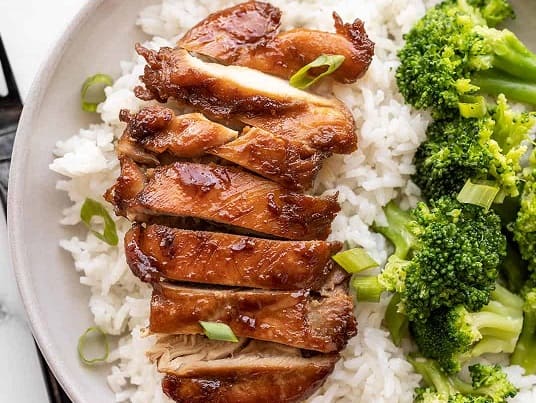
  • Chicken Teriyaki Recipe

    Chicken Teriyaki Recipe

    Chicken teriyaki recipe is one of the most popular Japanese chicken dishes, known for its glossy sauce and tender, juicy texture. This chicken teriyaki recipe is easy to make at home using simple ingredients like soy sauce, garlic, ginger, and sugar.

    This chicken teriyaki recipe delivers restaurant-style results with a perfect balance of sweet, savory, and umami flavors, making it ideal for quick dinners or meal prep.


    Table of Contents

    • Ingredients
    • How to Make Chicken Teriyaki Recipe
    • Pro Tips for Best Results
    • Serving Suggestions for Chicken Teriyaki
    • Nutritional Information
    • Frequently Asked Questions


    Why This Chicken Teriyaki Recipe Works

    This chicken teriyaki recipe is designed to create a rich, glossy sauce while keeping the chicken tender and flavorful.

    • Simple ingredients create bold flavor
    • Quick cooking time makes it ideal for weeknights
    • Balanced sweet and savory sauce
    • Works with rice, noodles, or vegetables


    Ingredients

    For the Chicken

    • 500 grams boneless chicken thighs (or chicken breast)
    • 1 tablespoon oil
    • Salt to taste
    • ½ teaspoon black pepper

    For the Teriyaki Sauce

    • ¼ cup soy sauce
    • 2 tablespoons honey or brown sugar
    • 2 tablespoons sugar (optional)
    • 1 tablespoon rice vinegar
    • 1 tablespoon ginger (finely grated)
    • 3–4 cloves garlic (minced)
    • 1 tablespoon cornstarch
    • 2 tablespoons water

    Optional Garnish

    • Sesame seeds
    • Chopped green onions


    How to Make Chicken Teriyaki Recipe

    Step 1: Prepare the Chicken

    Pat the chicken dry and season with salt and pepper.

    Step 2: Cook the Chicken

    Heat oil in a pan and cook chicken for 5–6 minutes per side until golden and cooked through. Remove and set aside.

    Step 3: Make the Sauce

    Sauté garlic and ginger, then add soy sauce, sugar, honey, and vinegar. Simmer for 2–3 minutes.

    Step 4: Thicken the Sauce

    Add cornstarch slurry and stir until the sauce thickens into a glossy glaze.

    Step 5: Combine

    Return chicken to the pan and coat evenly with sauce.

    Step 6: Serve

    Garnish with sesame seeds and green onions and serve hot.


    Pro Tips for Best Results

    • Use chicken thighs for more flavor
    • Do not overcook the chicken
    • Let the sauce simmer before thickening
    • Add slurry gradually to control thickness


    Serving Suggestions for Chicken Teriyaki

    Serve with:

    • Steamed rice
    • Noodles
    • Stir-fried vegetables

    This chicken teriyaki recipe pairs well with simple sides for a balanced meal.


    Nutritional Information (Approx. per serving)

    Calories: 320–380 kcal
    Protein: 25–30g
    Carbohydrates: 15–20g
    Fat: 15–18g
    Sodium: Moderate to high


    Storage and Reheating

    Store in the refrigerator for up to 3 days.

    For best results:

    • Reheat in a pan over medium heat
    • Add a splash of water if sauce thickens


    Frequently Asked Questions

    Can I use chicken breast instead of thighs?

    Yes, but cook carefully to avoid dryness.

    Is chicken teriyaki spicy?

    No, it is naturally sweet and savory.


    How to Get the Perfect Teriyaki Glaze

    The sauce is the key to this chicken teriyaki recipe.

    Simmering the sauce before adding the slurry helps develop flavor. The cornstarch thickens it into a glossy glaze that coats the chicken evenly.


    Variations You Can Try

    • Add chili flakes for spice
    • Use low-sodium soy sauce for a lighter version
    • Add vegetables for a stir-fry variation


    Common Mistakes to Avoid

    • Overcrowding the pan
    • Adding too much slurry
    • Overcooking the chicken
    • Skipping the simmer step


    Make-Ahead and Storage Tips

    This chicken teriyaki recipe works well for meal prep.

    • Prepare sauce ahead of time
    • Store leftovers for up to 3 days


    Final Thoughts

    This chicken teriyaki recipe is a simple and reliable way to make a flavorful meal at home with minimal effort.


    Related Recipes You’ll Love

    If you enjoyed this recipe, try this Kung Pao next:

    – Kung Pao


    Explore More Chicken Dinner Recipes

    Discover more easy and flavorful chicken dinner ideas below:

    – Chicken Dinner Recipes


    Explore More Easy Dinner Recipes

    – Easy Dinner Recipes


    Author Note

    Dinners Recipe Team shares simple, reliable recipes designed for home cooks. Our goal is to make cooking easier while delivering flavorful, satisfying meals.